

Contents
Ever see someone walking a fluffy, curly-haired dog and immediately think, “I need to know what breed that is”? Those bouncy curls and teddy bear looks get attention for a reason. Curly-coated small dogs aren’t just ridiculously adorable; they come with some real practical benefits, too.
But here’s the deal: if you think curly fur means easy maintenance, we need to have a talk. These dogs are gorgeous, sure, but that coat doesn’t take care of itself. It’s not even close.
What most people get excited about with small dogs with curly fur is the shedding situation.. Or really, the lack of it. Your black pants will stay black.. Your couch doesn’t look like a fur factory exploded on it. If you’ve got mild allergies or you’re just tired of lint-rolling everything you own, this might be your answer.
What’s in This Guid?e
- Grooming isn’t optional— Skip it and you’ll regret it (so will your dog)
- “Hypoallergenic” is oversold—let’s talk about what that word actually means
- Different dog breeds have totally different personalities; for example, a poodle behaves very differently from a Havanese.
- Small size, big energy—some of these little guys could outrun you
- Health stuff you should know: Every breed has its own issues.
Why go curly??
What is the primary motivation behind people’s desire?re for curly-coated dogs? The fur situation. When you brush these breeds, the loose hair gets stuck in those curls instead of ending up on literally everything you own. Regular shedding breeds can significantly alter your experience.
Now, let’s discuss the “hypoallergenic” issue that everyone keeps bringing up.ringing up. Let’s be real: there’s no such thing as a completely hypoallergenic dog. It’s dander (tiny flakes of dead skin) and proteins in their saliva and pee. Curly dogs spread less dander because they keep their fur.
Oh, and these dogs look fantastic. You can’t ignore that part. They’re ridiculously photogenic, and you’ll get stopped constantly by people wanting to pet them.
The 10 Curly-Coated Breeds You Should Know
1. Toy Poodle – Ridiculously Smart
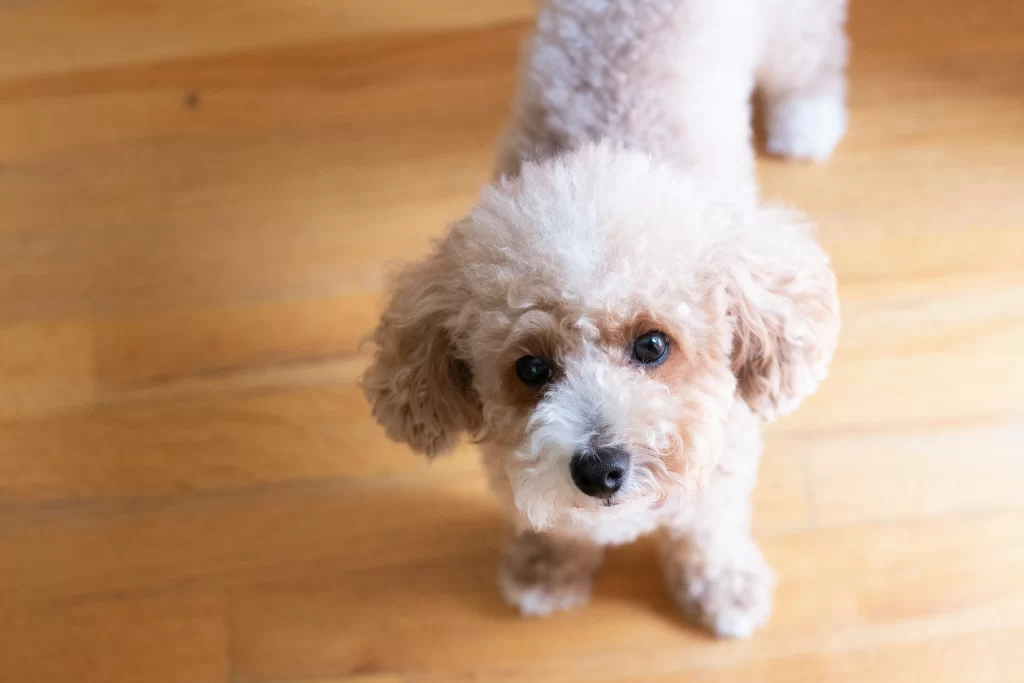
Toy Poodles are the brainiacs of small dogs. Seriously, these little guys are sharp.
Size and looks: About 10 inches tall, 4-6 pounds. She has a tiny body and a huge personality. The thick and curly coat is available in a wide range of colors, including black, white, apricot, cream, red, silver, and more.
Why people love them: They learn scary fast. Demonstrate a tI explained the technique to them a few times, and they quickly grasped it. Want to teach commands? This is your breed. And yeah, they barely shed, which is why allergy folks love them. They are also excellent indoor dogs if you live in an apartment.
The catch: Professional grooming every 6-8 weeks. This is not a suggestion but a requirement. And you need to brush them every single day at home. Budget at least $500-800 a year just for grooming.
Also, smart dogs get Bored poodles tend to chew on objects, bark, and generally exhibit restless behavior.y Make your life difficult. They need puzzles, trai.ning, games, and activities to keep their brains engaged.
Suitable for pindividuals who are often at home and enjoy training. It’s benefiIt is beneficial for apartments if you provide their residents with mental challenges.
2. Bichon Frise – Happy All The Time
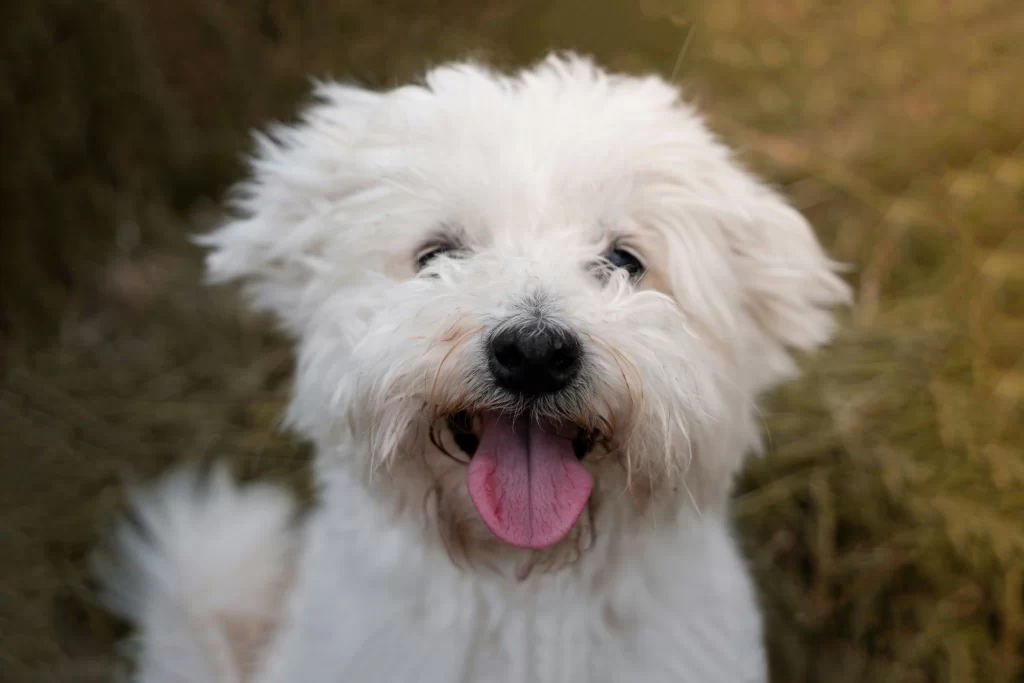
If dogs had personality types, Bichons would be the eternal optimists. I am alwShe is always happy and ready to make friends.
Size and looks: 9-12 inches tall, 12-18 pounds. The snow, like a cloud, was white and fluffy. Those dark eyes and black nose make them super expressive. People looking at small white short-haired dogs often end up with Bichons instead once they see them, even though the grooming is more work. They show up on every small fluffy dog breeds list because of that powder-puff look.
Why people love them: Temperament is everything here. Bichons like everyone—kids, strangers, and other dogs. Doesn’t matter. They’re friendly without being crazy hyper. These are wonderful family dogs who don’t need to run marathons.
The catch: They hate being alone. I absolutely detest it. If If you are gone for 10 hours a day, this dog will not be content. Separation anxiety is common.
That white coat gets dirty fast. Professional grooming every 4-6 weeks, regular baths, and daily brushing. It’s a commitment.
Works for: Retired folks, work-from-home people, and families where someone’s usually around.
3. The miniature poodle—the middle ground
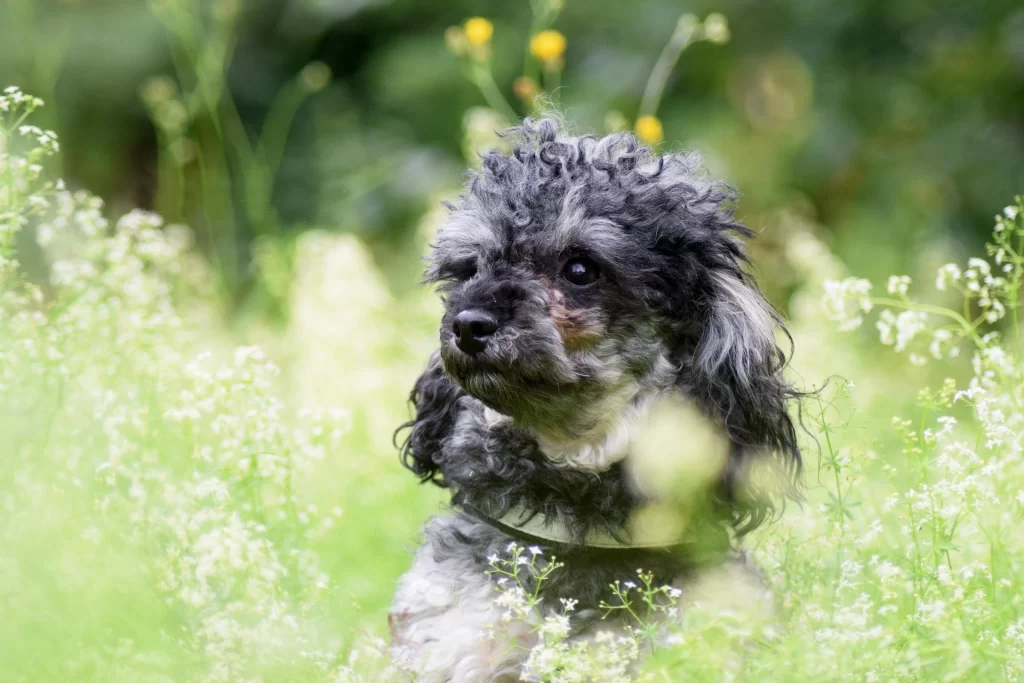
Miniature Poodles are larger than Toy Poodles but smaller than Standard Poodles. For maFor individuals, this is the ideal location.
Size and looks: 10-15 inches tall, 10-15 pounds. This package combines all that poodle brainpower in a more substantial format.
Why do people love it? They adapt to whatever activity you are engaged in. Are they interested in a new lifestyle? They are open to it. Are they okay with a quieter home? They are fine with that.at too. They excel at dog sports, but they also make excellent family pets. Size-wise, they’re sturdy enough for kids but still work in apartments.
The catch is that the grooming schedule for this breed is the same as for Toy Poodles: professional grooming every 6–8 weeks, along with daily brushing at home. And they need constant mental stimulation.
Some are pretty sensitive. They pick up on stress and don’t love rough handling. It works better with older kids who understand how to be gentle.
Works for: Active people who jog or hike, as well as families with older children,ids, and dog sport enthusiasts.
4. Havanese—Your Personal Shadow
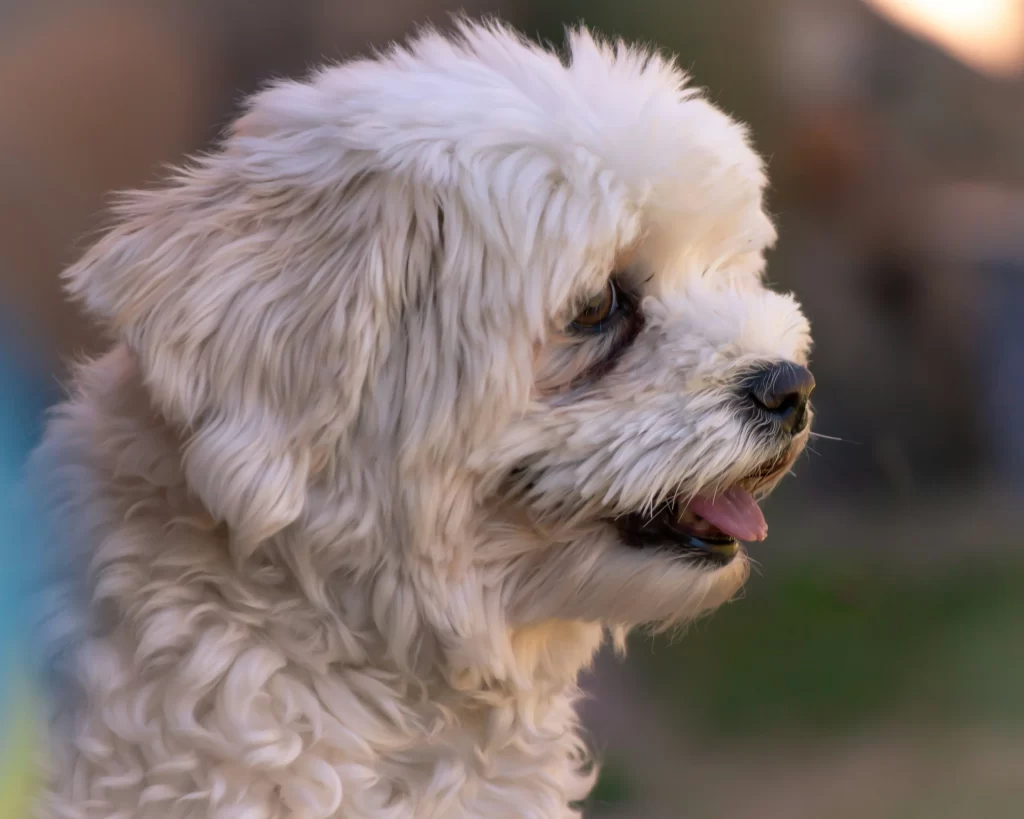
Havanese will follow you room to room. Every single time. It’s what they do.
Size and looks: 7-13 pounds, 8-11 inches tall. Their coat is longer and silky-wavy instead of tight curls. It provides them with an elegant, flowing effect.
Why people love them: They match your energy. Want to play? Great. Want to chill? Also excellent. They’re friendly without being annoying about it (usually).
The catch: Brush them daily, or you’ll have a tangled mess. Many owners just keep them in a short “puppy cut” to avoid the hassle—smart move, honestly.
They can bark at sounds. Please train this early to ensure it doesn’t disturb your neighbors.
Works for: the work-from-home crowd, seniors, anyone wanting a dog that just wants to be near you.
5. Bolognese—the quiet one
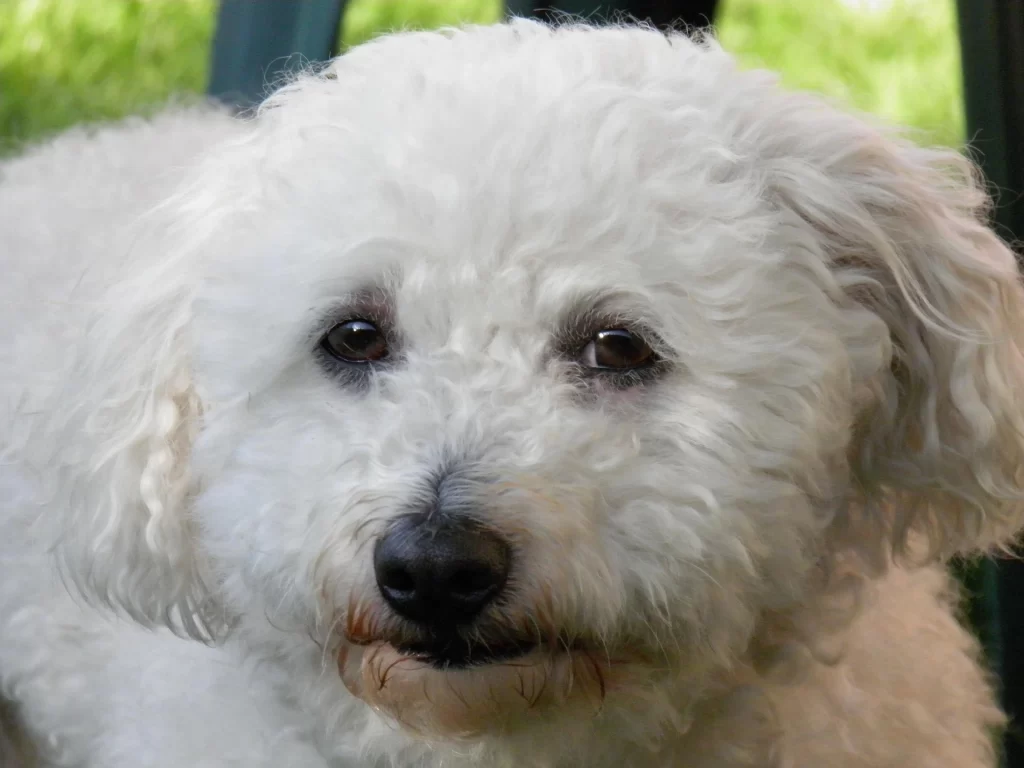
Bolognese dogs don’t get enough credit. They’re like Bichons’ calmer, more introverted cousin.
Size and looks: 10-12 inches, 5-9 pounds. She is pure white, fluffy, and has loose ringlets. The texture was incredibly soft, like cotton candy.
Why people love them: Calm and devoted without being demanding. They bond hard with their family but stay polite with strangers. These dogs are less needy than some small breeds.
The catch: Good luck finding one. They’re rare, especially in the US. Expect waiting lists and higher prices.
They also get separation anxiety because they bond so intensely. It’s not ideal if you have to travel frequently for work.
Works for: Calm homes, seniors, and people wanting a devoted but quieter dog.
6. Coton de Tulear —the Funny One
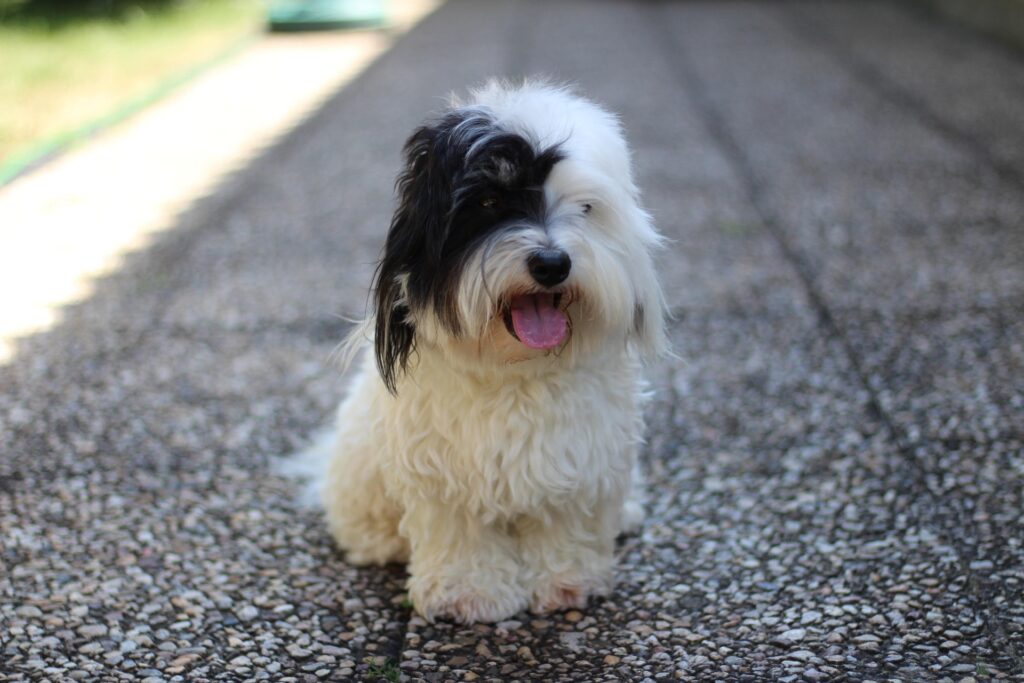
Cotons are from Madagascar, and they’re basically little comedians. The dogs were truly entertaining.
Size and looks: 8-15 pounds, 9-11 inches. The coat should feel like cotton—soft, fluffy, and wavy to curly.
Why people love them: That personality. Cotons do this thing called the “Coton jump,” where they literally bounce straight up on their back legs when they’re excited. It’s hilarious. I work well with families.
The catch: That cotton coat mats like crazy. Daily brushing isn’t negotiable. Skip it and you’re looking at painful mats that need cutting out. Professional grooming every 4-6 weeks.
Training takes patience. They’re smart but also stubborn. Positive reinforcement works; getting frustrated doesn’t.
Works for: Families with kids, active seniors, and people who want entertainment and can handle grooming.
7. Maltipoo – The Popular Mix
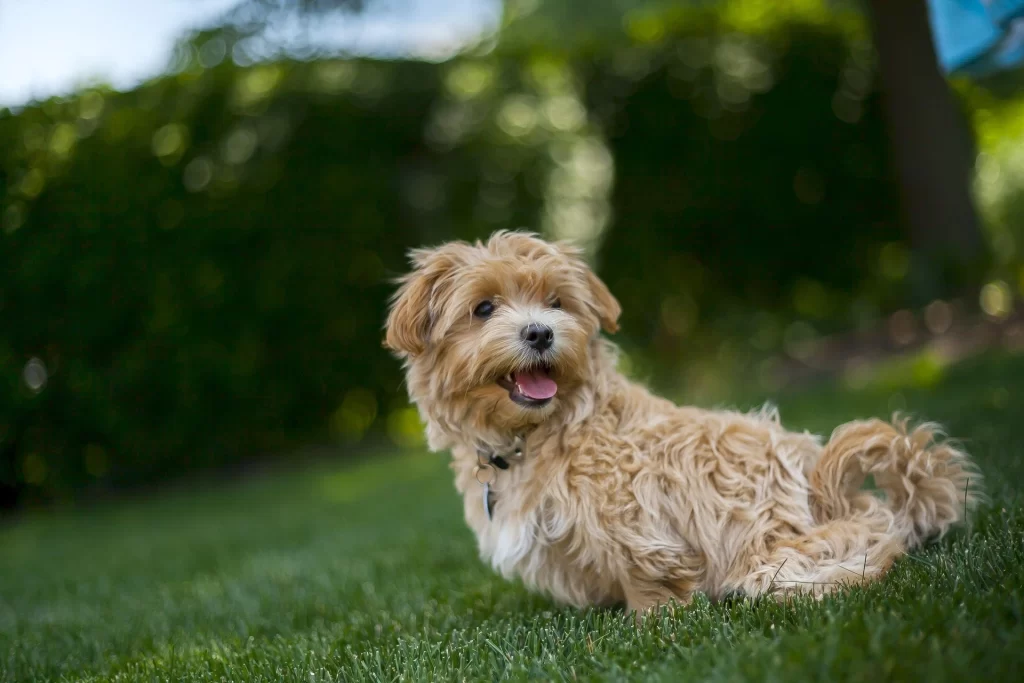
Yeah, it’s a mixed breed. But Maltipoos got so popular; there’s a reason. Worth mentioning.
Size and looks: Anywhere from 5 to 20 pounds depending on whether it’s mixed with a Toy or Miniature Poodle. We are combining Maltese and Poodle for that low-shedding, friendly combo. If you love fluffy puppies that stay small, Maltipoos keep that adorable factor forever.
People love them because their low shedding is appealing to those with allergies. They are usually friendly and adaptable. This product is ideal for first-time owners. Everyone looks different, which some people actually like.
The catch: “mixed breed” means you can’t predict everything. She might shed less than expected, or she might shed more than expected. Temperament varies even in the same litter.
Maltipoo popularity brought out sketchy breeders. Do your homework, visit in person, meet parents, and check health testing. Don’t buy from pet stores or puppy mills.
This is suitable for first-timers, apartment dwellers, and anyone who is comfortable with some unpredictability.
8. Pumi—The Energetic Herder
Pumis are Hungarian herding dogs with serious energy. They surprise people who aren’t expecting a working breed.
Size and looks: 15-18 inches, 22-29 pounds (bigger end of “small”). The corkscrew curls are totally unique. Working dogs that still want jobs.
Why people love them: For active people, Pumis are fantastic. She is agile, alert, and great at dog sports. That work ethic plus affection creates devoted dogs.
The catch: Not a couch potato. He needs at least an hour of real exercise daily. Without it, you’ll have behavior problems fast.
Works for: Active people who hike, jog, or do dog sports. The location is not suitable for an apartment unless you have a strong commitment to exercise.
9. Portuguese Water Dogs (Smaller Ones)—The Swimmer
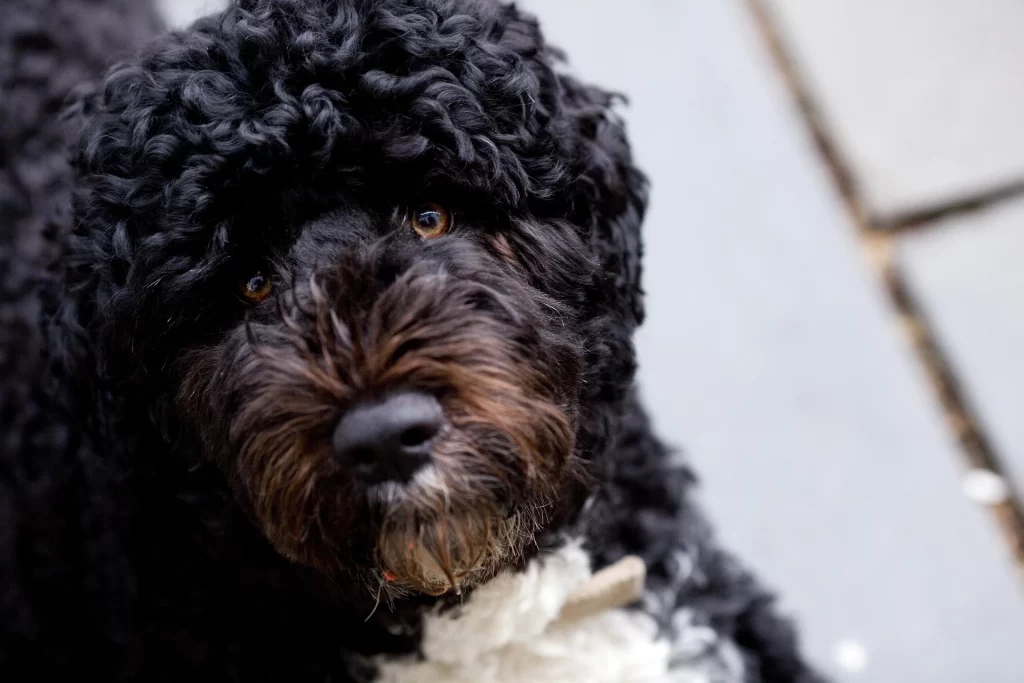
Portuguese Water Dogs usually aren’t small (35-60 pounds), but some breeding lines produce smaller individuals worth mentioning.
Size and looks: These dogs literally worked with Portuguese fishermen. That curly, waterproof coat is functional, not just pretty. This is ideal for those who have a passion for water.
Why people love them: She is smart, trainable, and devoted. The Obamas had two, which brought them attention.
The catch: Even smaller ones need tons of exercise. A quick walk doesn’t cut it. They need swimming, running, and real activity.
Professional grooming every 6-8 weeks. Plus ear infections are common because water gets trapped in their ears. Regular cleaning is mandatory.
Works for: Active families who love water sports and outdoor stuff.
10. American Eskimo Dog (Toy)—White and Fluffy
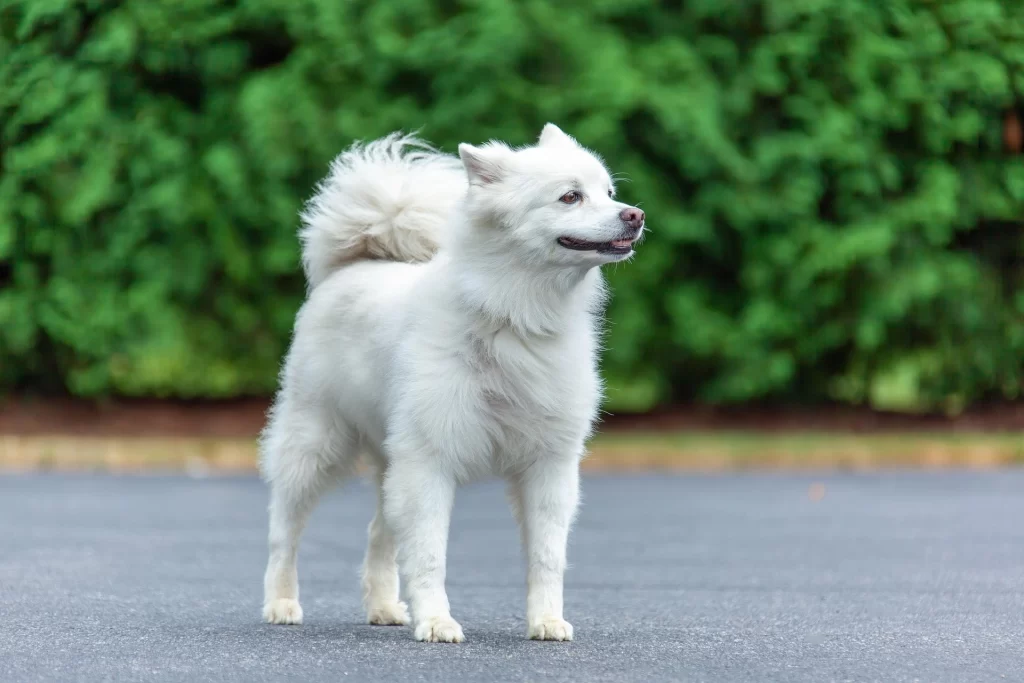
Despite the name, American Eskimo Dogs aren’t from Eskimo culture; they’re German Spitz descendants.
Size and looks: Toy size is 9-12 inches, 6-10 pounds. Dense white coat (or white with cream) that looks like a cloud. Serious head-turners.
Why people love them: They are super trainable; they were circus dogs way back. I love learning tricks and showing off. It makes training fun.
The catch: They shed. A lot. Unlike Poodles and Bichons, this breed produces fur everywhere. If you’re aiming for low-shedding, this breed may not be the right choice, even with its fluffy curls.
Also, they bark. At everything. Doorbell, passing dogs, wind, leaves. Train early in the morning to avoid noise complaints.
Works for: Active families are okay with grooming and vacuuming. It’s great if you want training and entertainment, but shedding isn’t a dealbreaker.
Stuff You Need To Think About First
Let’s get real about what you’re signing up for.
Grooming Costs Real Money
It is recommended to brush daily for a minimum of 5-10 minutes. I enjoy taking weekly baths or whenever I need them. It is important to regularly clean your ears. I get my nails done every 2-3 weeks.
Professional grooming every 4-8 weeks costs $40-$100+ each time. At $60 per visit every 6 weeks, that’s over $500 yearly just for grooming. Add shampoo, brushes, and other stuff, and it climbs.
If that sounds like too much, that’s fine; it just means curly breeds aren’t your best match.
Small Doesn’t Mean Low Energy
Pumis need serious exercise. Bolognese are happy with moderate activity. The range is huge; size tells you nothing about energy level.
Be honest about your real activity level right now. Not what you wish it was, but what it actually is. Pick a breed that matches.
Health Problems occur.
Common issues in small curly breeds:
- Small dogs often struggle with dental disease.
- Eye problems (PRA, cataracts)
- Skin allergies
- Hip dysplasia (even small breeds get it)
Good breeders do health testing and show you the paperwork. Rescues should tell you about known issues. Please arrange for a prompt veterinary check-up following adoption.
Budget for vet care, regular stuff, and emergencies. Pet insurance is worth considering.
Smart Can Mean Stubborn
Intelligent dogs aren’t automatically simple to train. Poodles are brilliant but also independent. They’ll test you.
Positive reinforcement works best with treats, praise, and play. It wasn’t harsh stuff. First-time owners should take puppy classes. The socialization alone is worth it.
How To Actually Choose
Start with your lifestyle:
- Could you please let me know how much time you have available for grooming?
- Could you please share your current activity level?
- Do you have kids or other pets?
- How much space?
- Ever owned a dog before?
Then think about what you want:
- Are you independent or highly attached?
- Need high intelligence?
- How important is trainability?
- Can you handle barking?
Long-term stuff:
- Can you commit 10-15+ years?
- Could you please let me know your budget for everything
- What if your life changes?
Where To Get Your Dog
Basically, three options:
Good breeders do health testing, socialize puppies right, and support you long-term. They answer questions and let you visit. Red flags include always having puppies, not allowing you to see where the dogs live, and lacking health paperwork.
Breed rescues are intimately familiar with the breed. They frequently differ in age. Choosing adult dogs allows you to bypass puppies and understand their true personalities.
Shelters might not have purebreds but could have great mixes with curly genes. Mixed breeds can be just as healthy and loving.
Skip puppy mills, pet stores (get from mills), “breeders” who won’t let you visit, people selling multiple breeds, and prices that seem too good.
Bottom Line
Curly-haired small dogs are great when matched right. Often low-shedding, always adorable, and tons of personality.
But they need commitment. Grooming is significant, in time and money both. If you want a hands-off pet, look elsewhere.
If you put in the work, you get a devoted companion who looks like a teddy bear, doesn’t coat your house in fur, and keeps things interesting.
Final Thoughts
Having a small curly dog who’s excited to see you every day is special. Whether you want Poodle smarts, Bichon friendliness, or Coton comedy, it’s an adventure.
These dogs give back what you invest, and more. Grooming is real. Training takes time. It costs money. But you also get unconditional love, daily laughs, and walks where everyone wants to pet your dog.
Take time picking the right breed for your actual lifestyle. Research thoroughly. Meet different breeds if you can. Be honest about what you can handle.
The right dog is out there, one whose personality fits yours and whose needs match what you can give.
Got questions about these breeds? Drop them in comments. Looking for specific advice? Let’s talk about what matters to you in a dog.
Want more on caring for curly dogs? Check out grooming guides, training tips, and breed care info at Dogs Lovers Blog.
📊 Quick Breed Comparison
| Breed | Size | Energy Level | Grooming | Best For |
|---|---|---|---|---|
| Toy Poodle | 4-6 lbs | Moderate | High | Apartments |
| Bichon Frise | 12-18 lbs | Moderate | High | Families |
| Havanese | 7-13 lbs | Low-Moderate | High | Seniors |
| Maltipoo | 5-20 lbs | Moderate | Medium-High | First-timers |
| Pumi | 22-29 lbs | High | Medium | Active owners |