


Contents
So you’re thinking about getting a dog, but you live in an apartment. Or maybe you’ve got a house, but you’re not exactly the “outdoorsy, hiking every weekend” type. I get it; not everyone wants a dog that needs three hours of exercise every day.
When people ask me about the best inside dogs, there’s usually this assumption that we’re only talking about those tiny purse dogs. Yeah, small breeds are great for apartments, but that’s not the whole picture.
The real question isn’t just “what’s small?” It’s more like… will this dog be miserable stuck inside all day? Because honestly, bringing home a working breed that’s meant to herd sheep for 8 hours and expecting them to chill in your studio apartment? That’s a recipe for disaster. Your furniture will pay the price.
I’ve spent years researching different breeds and figuring out what actually works for indoor living. And I’m going to break it all down for you—no fluff, just the real deal on which dogs will thrive inside your home.
Quick Rundown: What You Need to Know
Before we get into specific breeds, here’s what matters:
- Size helps, but it’s not everything (seriously)
- Temperament is huge; you want a chill, adaptable dog
- Even lazy dogs need walks (don’t skip this part)
- Some dogs bark constantly; others barely make noise
- Shedding can be a nightmare if you’re living in small spaces
- Small breeds often have more health issues than you’d think
What Makes Some Dogs Better for Indoor Life?
Look, there’s no perfect formula here. But after years of watching different breeds in different homes, some patterns definitely emerge.
They Don’t Need to Run a Marathon Every Day
This is probably obvious, but don’t get a Border Collie if you live in a 500-square-foot apartment and work 9-to-5. Those dogs were bred to herd sheep all day long. They need that kind of activity.
The best inside dogs? They’re cool with a couple walks and maybe some playtime. They’re not sitting by the door whining to go outside every twenty minutes. After a good walk, they’re content to just hang out with you.
And here’s something people get wrong: indoor dogs aren’t lazy. They still need exercise.
Quiet-ish (Your Neighbors Will Thank You)
Ever lived next to someone with a dog that barks at literally everything? It’s awful.
When you’re looking at indoor breeds, pay attention to their barking tendencies. Some dogs are just vocal; it’s in their DNA. Others are pretty quiet unless something’s actually wrong.
The Size Thing (It’s Complicated)
Yeah, smaller dogs have an advantage here. A Chihuahua takes up way less space than a German Shepherd. That’s just math.
But I’ve seen Great Danes that are perfectly happy in apartments. I’ve also seen Jack Russell Terriers tear apart houses because they’re so high-energy. Size matters, but it’s not the only thing that matters.
Think about it this way: does the dog need room to zoom around like a maniac? Or are they okay hanging out in a smaller space?
Fur Everywhere (Or Not)
If your dog is inside most of the time, you’re going to notice the shedding. Some breeds shed so much that you’ll be vacuuming twice a day. Others barely shed at all.
Low-shedding breeds are popular for indoor living for good reason. Less fur on your couch, less fur on your clothes. (We’ve all been there).
But, and this is important, low shedding doesn’t mean no grooming. Many of these breeds require regular grooming, including haircuts and brushing. You’re trading one type of maintenance for another.
The Breeds That Actually Work Well Indoors
Alright, let’s get to the good stuff. These are the dogs that consistently do well as indoor pets. Some you’ve probably heard of; maybe a couple will surprise you.
Poodle

I know what you’re thinking: Poodles are those fancy show dogs with the weird haircuts, right? But hear me out, because poodles are actually incredible indoor dogs.
First off, they don’t shed. If you’ve ever lived with a shedding dog, you know what a big deal this is. No fur tumbleweeds under your couch, no dog hair all over your black pants.
They’re smart too. Sometimes, maybe too smart. You need to keep them busy, or they’ll get bored and find their own entertainment (which usually means your stuff gets destroyed). Puzzle toys are your friend here.
What you need to know:
- They come in three sizes: toy, miniature, and standard. So you can pick based on your space.
- That fancy coat? It needs grooming. Regular grooming. Like every 6-8 weeks.
- They’re easy to train because they’re so intelligent
- They don’t bark much unless something’s actually up
Stats:
- Size: Toy (up to 10″), Miniature (10-15″), Standard (over 15″)
- Weight: Anywhere from 6 to 70 lbs, depending on the type
- They live about 12-15 years
- Personality: Smart, active, trainable, alert
French Bulldog

Frenchies have basically taken over the dog world in the last ten years. And I totally get why those bat ears and smooshed faces are ridiculously cute.
But beyond being adorable, they’re genuinely great apartment dogs. They don’t need much exercise (a couple of short walks usually does it), they’re not big barkers, and they adapt to pretty much any living situation.
What you need to know:
- They overheat easily. Keep them cool.
- They’re stubborn sometimes but also pretty easy to train
- Great with kids and other pets
Stats:
- Size: 11-13 inches tall
- Weight: 16-28 lbs
- Lifespan: 10-12 years
- Personality: Playful, adaptable, smart, affectionate
Cavalier King Charles Spaniel
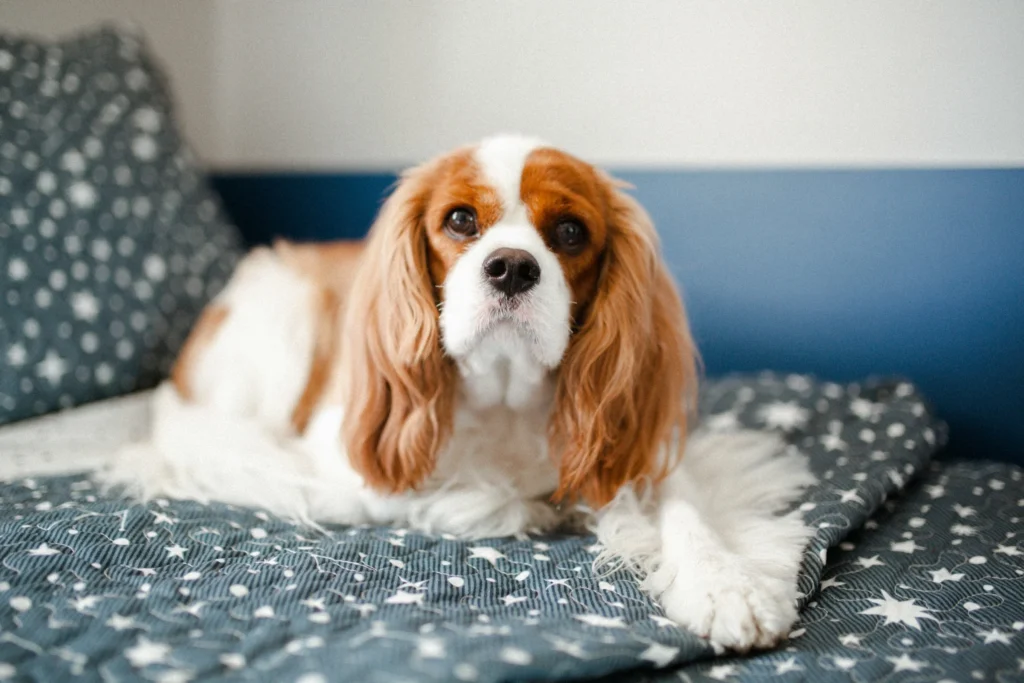
Cavaliers are gentle and sweet, and they love being around people. They get along with kids, they get along with other pets, they’re just… nice. If you want a dog that’s down to cuddle for hours, this is your breed.
The downside? They really don’t like being alone. Some breeds are fine hanging out by themselves all day. Cavaliers are not those breeds. They can get separation anxiety pretty bad. If you work long hours away from home, maybe think twice about this one.
Also, that beautiful, silky coat needs brushing. A lot of brushing. Otherwise, it turns into one giant mat.
If you like the Cavalier’s vibe, check out some Cavalier King Charles Spaniel-similar dog breeds that might also work for you.
What you need to know:
- They need companionship. Not optional.
- Brush them several times a week, minimum
- Pretty adaptable to different living situations
- Moderate exercise needs nothing crazy
Stats:
- Size: 12-13 inches
- Weight: 13-18 lbs
- Lifespan: 10-13 years
- Personality: Gentle, affectionate, graceful, playful
Bichon Frise

Look at a Bichon and tell me you don’t smile. It’s impossible. They look like little clouds bouncing around.
Bichons are happy dogs. Like, genuinely cheerful all the time. They’re great with families, they don’t bark a ton, and they’re hypoallergenic (so if you’ve got allergies, this could work).
But that fluffy white coat? It’s high maintenance. You’re looking at professional grooming every 4-6 weeks, plus brushing at home. If you’re not into grooming or can’t afford it, a Bichon might not be the right choice.
They’re also social butterflies. They don’t do well being left alone for long stretches. Notice a pattern here? A lot of the best inside dogs are companion breeds, which means they need… companionship.
Want more fluffy options? Check out fluffy puppies that stay small for similar breeds.
What you need to know:
- Grooming is expensive and necessary
- They’re playful but not hyperactive
- Good for people with allergies
Stats:
- Size: 9-12 inches
- Weight: 12-18 lbs
- Lifespan: 14-15 years (they live a while!)
- Personality: Cheerful, playful, affectionate, gentle
Pug

Pugs are… well, they’re pugs. If you’ve met one, you know exactly what I mean.
They’re also lazy. Like, really lazy. Pugs would 100% rather nap on the couch than go for a walk. Which actually makes them perfect for people who aren’t super active.
But their personality makes up for it. They’re sweet, they’re funny, and they’re good with kids and other dogs. They just want to be near you, which is pretty much what you want in an indoor dog.
What you need to know:
- Keep them cool in summer
- Watch their weight; fat pugs have even more health problems
- Minimal exercise needs (which can be good or bad)
Stats:
- Size: 10-13 inches
- Weight: 14-18 lbs
- Lifespan: 12-15 years
- Personality: Charming, mischievous, affectionate, calm
Chihuahua

Chihuahuas get a bad rap. People think they’re all yappy and aggressive and mean. And okay, some of them are. But that’s usually because their owners didn’t train them.
Here’s the thing about Chihuahuas: People don’t train them, they don’t socialize them, and then they wonder why their Chihuahua is a nightmare. These dogs are smart and trainable. You simply need to take the necessary steps to do it.
When properly trained, Chihuahuas are great indoor dogs. They barely need any space, they can get their exercise just playing inside, and they’re incredibly loyal to their owners. They also live forever, like 15-20 years sometimes.
What you need to know:
- Train them. For real.
- They’re fragile and not great with really young kids
- They get cold easily (you’ll see them in sweaters)
- Minimal exercise needs
- Can be aggressive with other dogs if not socialized
Stats:
- Size: 5-8 inches
- Weight: 2-6 lbs (they’re tiny)
- Lifespan: 12-20 years
- Personality: Lively, devoted, alert, courageous
Havanese
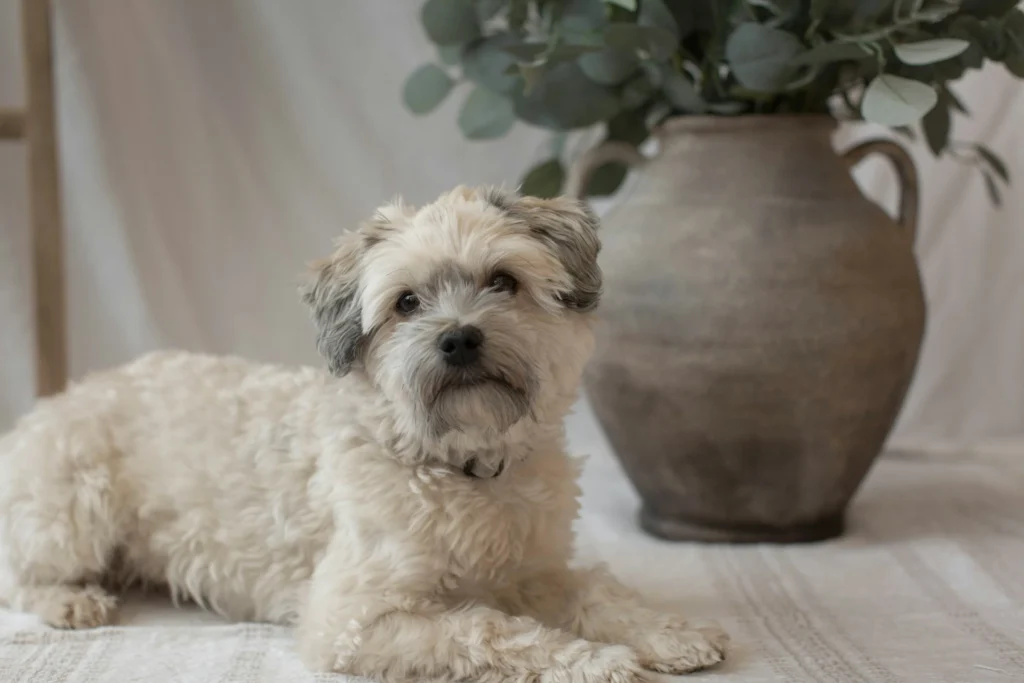
Not as well-known as some other breeds on this list, but Havanese are great little dogs. They’re from Cuba originally, and they’ve got this silky coat and a super-friendly personality.
These dogs are social. They love people, they love other dogs, and they love everyone. Which is great if you want a friendly dog, but not so great if you need them to be alone a lot. They can get separation anxiety pretty bad.
They’re also smart and easy to train, which is always a plus. And they adapt well to apartment living as long as they get enough attention and a decent amount of exercise.
What you need to know:
- That silky coat needs regular grooming
- They don’t like being alone
- Good with kids and other pets
- More active than some breeds on this list
Stats:
- Size: 8.5-11.5 inches
- Weight: 7-13 lbs
- Lifespan: 14-16 years
- Personality: Affectionate, intelligent, playful, responsive
Dachshund (Wiener Dog)

You know, these long bodies and short legs are absolutely adorable. They were originally bred for hunting badgers, which is wild when you think about it.
Dachshunds are great for apartments because they’re small and don’t need a ton of exercise. But they’ve got personality. They can be stubborn as hell, and they’ve got that hunting dog instinct, so they might chase after small animals.
One thing to watch out for is their backs. Because of their shape, they’re prone to back problems. You need to be careful about them jumping off furniture or going up and down stairs too much. Some people even get ramps for their dachshunds.
Also, fun fact: they’re known for pretending to be tired on walks so their owners will carry them. Little con artists.
What you need to know:
- Protect their backs; no excessive jumping
- They can be stubborn
- Come in two sizes (standard and miniature)
- Training can be challenging, but it’s doable
Stats:
- Size: 8-9″ (standard), 5-6″ (miniature)
- Weight: 16-32 lbs (standard), under 11 lbs (mini)
- Lifespan: 12-16 years
- Personality: Clever, stubborn, devoted, lively
Yorkshire Terrier (Yorkie)

Yorkies are tiny dogs with huge attitudes. That’s the best way I can describe them. They’ve got that silky, pretty coat and those perky ears. Check out dog breeds with pointy ears if that’s your thing, but don’t let the fancy looks fool you. These are terriers. They’ve got spunk.
The good news is they’re small enough that they can get most of their exercise just running around inside. And they’re hypoallergenic, which is great if you’ve got allergies. They also live a long time, so you’re getting a long-term companion.
The not-so-good news? They need training and socialization, or they can turn into those stereotypical yappy, aggressive little dogs. It’s called “small dog syndrome,” and it’s totally preventable with proper training. Just don’t skip that part.
What you need to know:
- That coat needs regular grooming
- Hypoallergenic (good for allergies)
- Really small, so be careful with young kids
Stats:
- Size: 7-8 inches
- Weight: 4-7 lbs
- Lifespan: 13-16 years
- Personality: Bold, confident, intelligent, and affectionate
Shih Tzu

Shih Tzus are low-energy dogs. Like, extremely low energy. You might actually have to bribe them to go for walks. Which could be great if you’re not active, but you still need to make sure they get some exercise so they don’t get fat.
That long, flowing coat is beautiful, but it’s also a lot of work. Most owners end up getting them a “puppy cut” to make grooming easier. Otherwise, you’re looking at daily brushing and regular professional grooming.
For similar small, fluffy breeds, check out dogs that look like Maltese for more options.
What you need to know:
- They’re lazy; you’ll need to encourage exercise
- Grooming is high maintenance
- Friendly with everyone
- Can be stubborn about training
Stats:
- Size: 9-10.5 inches
- Weight: 9-16 lbs
- Lifespan: 10-18 years (huge range)
- Personality: Affectionate, playful, outgoing, loyal
Basset Hound
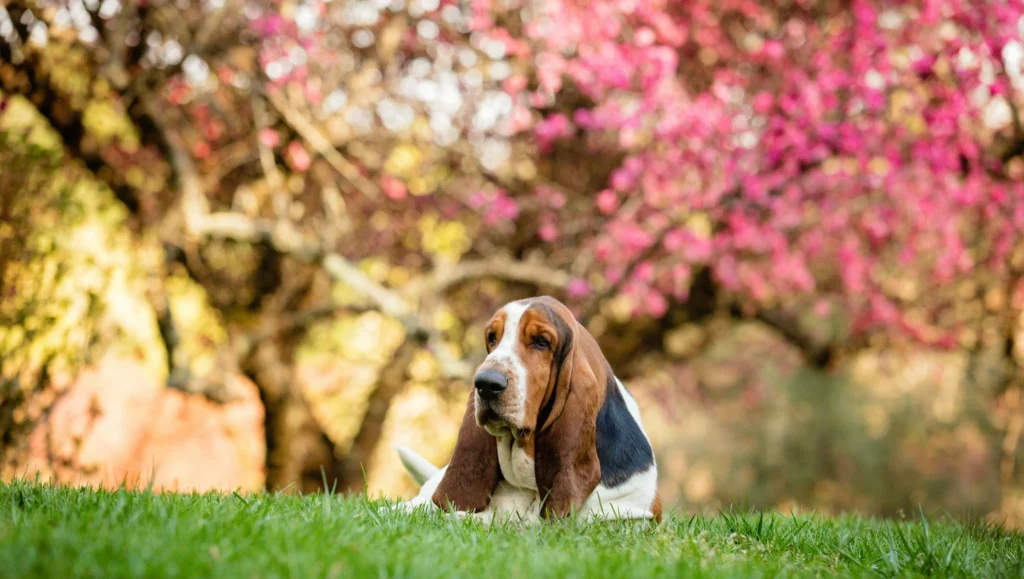
Okay, here’s where I throw you a curveball. Basset Hounds are not small dogs. But they’re some of the best inside dogs you can get.
Basset Hounds are laid back. They don’t need tons of exercise. They’re great with kids. They’re gentle and patient. After a decent walk, they’re perfectly happy to sprawl out on the couch for the rest of the day.
They do shed some, and those ears need regular cleaning (long ears = ear infections). And they can be stubborn when they catch a scent because they were bred for tracking. But overall, they’re chill dogs that adapt really well to indoor living.
Their coloring often includes that beautiful black and tan pattern; they’re definitely one of those beautiful black and tan dog breeds if you’re into that look.
What you need to know:
- They’re bigger (40-65 lbs) but low energy
- Ears need regular cleaning
- They can be stubborn
- Watch their weight; they gain it easily
Stats:
- Size: 12-15 inches (they’re long and low)
- Weight: 40-65 lbs
- Lifespan: 10-12 years
- Personality: Patient, devoted, gentle, friendly
English Bulldog
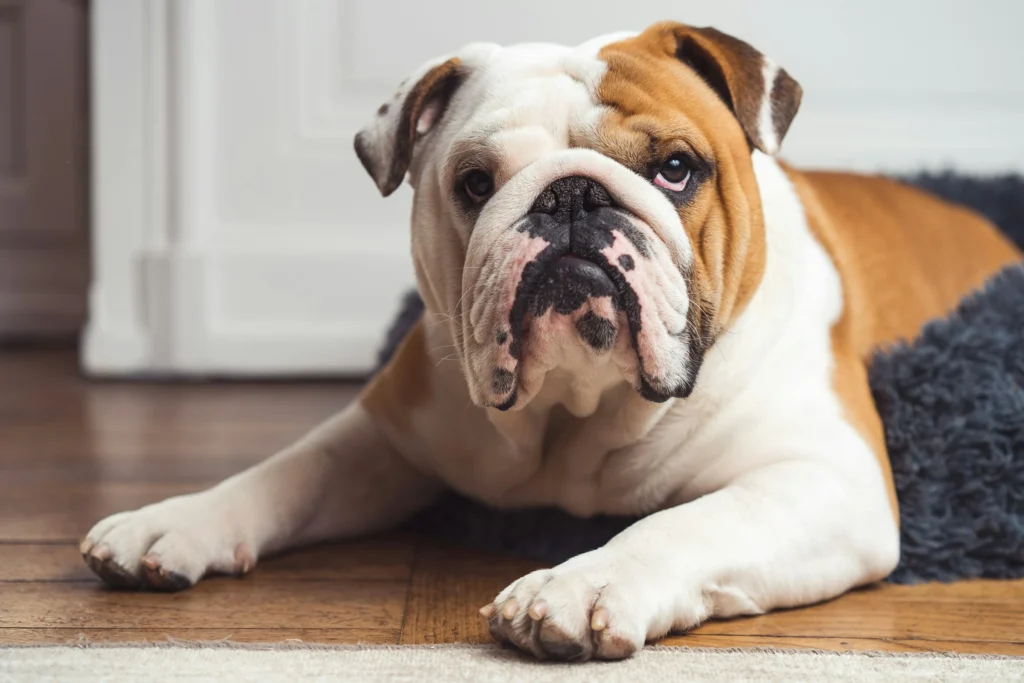
Another bigger dog that’s great for indoor living. English Bulldogs are… well, they’re not built for athleticism. Let’s just say that.
They have trouble breathing, they overheat easily, and they can’t swim. They’re basically designed to hang out inside with you. And they’re totally cool with that! They’re gentle, friendly dogs that love their families.
The thing is, Bulldogs have health problems. Like, a lot of them. Breeding has not been kind to this breed. They’re expensive to buy and expensive to keep healthy. Their lifespan is shorter than most dogs, too.
But if you want a low-energy, indoor-loving dog and you’re prepared for potential health issues, Bulldogs can be great companions.
What you need to know:
- Serious health issues are common
- They can’t handle heat or exercise
- They snore. LOUDLY.
- Great with kids despite looking tough
- Expensive breed overall
Stats:
- Size: 14-15 inches
- Weight: 40-50 lbs
- Lifespan: 8-10 years (shorter than most)
- Personality: Docile, friendly, willful, courageous
Maltese
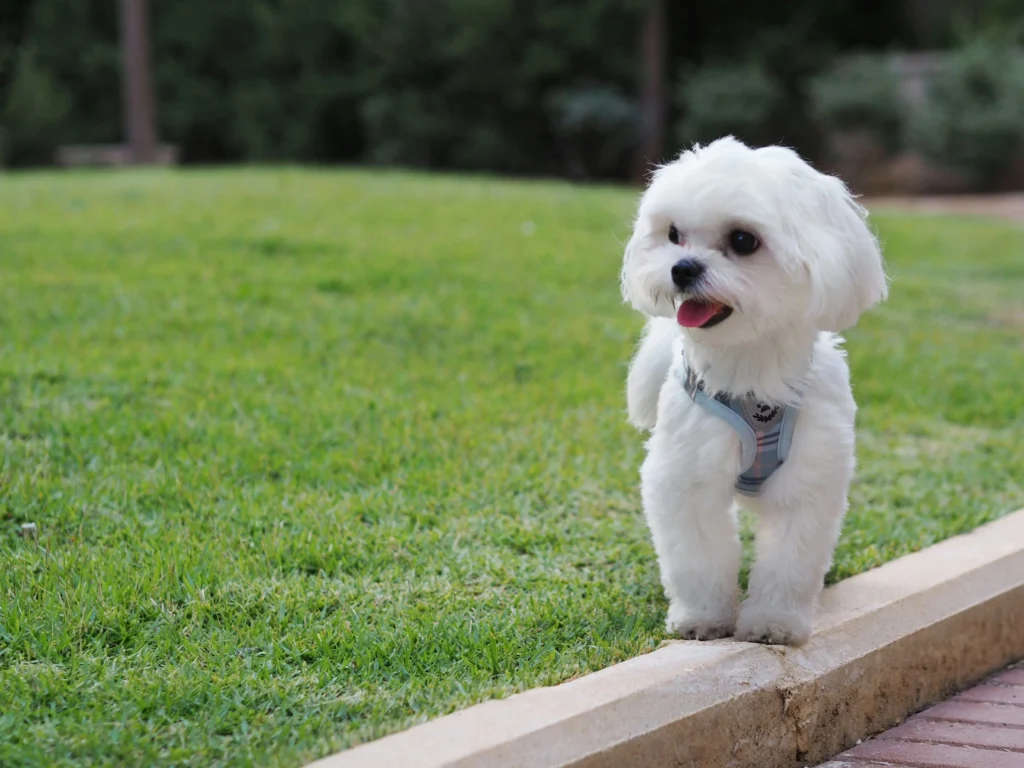
These tiny white fluffballs have been companion dogs for literally thousands of years. They know what they’re doing when it comes to being indoor pets.
Maltese are gentle, calm dogs. They don’t need much exercise, they’re hypoallergenic, and they’re usually pretty quiet. They’re great for people who want a lap dog that’s not going to cause a lot of commotion.
The downside is they’re fragile. Really fragile. Not a great choice if you’ve got young kids or big dogs that might accidentally hurt them. And that white coat? It needs daily brushing and regular grooming, or it turns into a matted mess.
What you need to know:
- Daily brushing is basically required
- They’re delicate, handle with care
- Good for people with allergies
- They bond super closely with their owners
Stats:
- Size: 7-9 inches
- Weight: Under 7 lbs (tiny)
- Lifespan: 12-15 years
- Personality: Gentle, playful, affectionate, responsive
Real Talk: The Challenges Nobody Warns You About
Okay, so I’ve given you all the good stuff about these breeds. But I’d be lying if I didn’t tell you about some of the challenges that come with indoor dogs. Better to know now than be surprised later, right?
Small Dogs, Big Health Problems
This one surprises people. You’d think smaller dogs would be healthier, but it’s actually the opposite a lot of the time.
Small breeds are prone to dental issues (their teeth are crammed into tiny mouths), knee problems (luxating patellas are super common), breathing issues (especially the flat-faced breeds), and eye problems. Some of this is just genetics, some of it is from selective breeding that went too far.
What does this mean for you? More vet visits, potentially higher healthcare costs, and you need to be more vigilant about catching problems early.
The Training Problem
Here’s a mistake I see constantly: people get a small dog and don’t train it because “what’s the worst that could happen?”
A lot can happen, actually. An untrained Chihuahua might not be able to hurt you the way an untrained German Shepherd could, but they can still make your life miserable. Constant barking, aggression toward other dogs, snapping at people, refusing to listen to commands… It’s not fun.
And here’s the thing—small dogs are usually smart! They’re trainable! You just have to put in the work. Don’t skip training just because your dog weighs 10 pounds.
They Really Don’t Like Being Alone
A lot of the best inside dogs are companion breeds. That’s their whole thing—they were bred to be with people. So when you leave them alone for 10 hours while you’re at work? They’re miserable.
Some dogs can handle it. Others can’t. Cavaliers, Bichons, Havanese… these dogs can develop serious separation anxiety. They might bark constantly, destroy stuff, or even hurt themselves trying to get to you.
If you work long hours, you need to think about this seriously. Maybe you need doggy daycare. Maybe you need a dog walker. Maybe you need to get two dogs so they have company. Or maybe you need to pick a more independent breed.
House Training is Annoying
Small bladders mean frequent bathroom breaks. Especially when they’re puppies, you’re looking at taking them out every couple of hours. If you live in an apartment building, every bathroom break means getting dressed, going down the elevator, walking outside…
Some people train their small dogs to use potty pads indoors. It works for some dogs, but not all of them. And even the ones who use pads sometimes still have accidents.
Just be prepared for this to take time and patience. It’s part of the deal with small indoor dogs.
Grooming Can Get Expensive
“Low-shedding” sounds great until you realize it usually means “needs professional grooming every month.”
Poodles, Bichons, Shih Tzus, Yorkies… these dogs need regular haircuts. And grooming isn’t cheap. You’re looking at $50-100 per visit, depending on where you live. That adds up fast.
Even if you learn to groom them yourself (which some people do), you’re still investing time and buying equipment. It’s just something to factor into your budget and schedule.
Before You Bring Your Dog Home
Alright, so you’ve picked a breed (or narrowed it down to a few). Before you actually bring a dog home, there’s some stuff you need to figure out.
Ask Yourself the Hard Questions
I put together a whole guide on Questions to Ask Before Adopting A Dog because this stuff is important. But here’s the quick version:
Can you actually afford a dog? And I don’t just mean the adoption fee. I mean food, vet bills, grooming, supplies, emergency care… it adds up. Fast.
Do you have time? Dogs need walks, playtime, training, and attention. Even lazy indoor breeds need some of your time every day.
Is your living situation stable? If you rent, does your landlord allow dogs? What happens if you need to move?
Are you in this for the long haul? These dogs can live 12-20 years. That’s a serious commitment.
Who’s taking care of the dog when you travel? Do you have family nearby? Can you afford boarding?
Be honest with yourself about these questions. Getting a dog when you’re not ready sucks for everyone involved.
Get Your Place Ready
Don’t bring a dog home and then start getting stuff ready. Do it beforehand.
Dog-proof your space. Move anything toxic, hide electrical cords, and put away shoes and valuables. Puppies especially will chew on everything.
Set up a spot for them. Get a bed, some toys, food, and water bowls. Give them their own little area where they can feel safe.
Buy supplies before you need them. Food, treats, collar, leash, ID tag, and cleaning supplies for accidents. Trust me, you don’t want to be running to the pet store at 10pm because your puppy had an accident and you’re out of cleaner.
Find a Vet
Don’t wait until something’s wrong to find a veterinarian. Look for one now, read reviews, maybe even schedule a meet-and-greet before you get your dog.
Having a vet you trust makes everything easier. Plus, you should take your new dog in for a checkup within the first week anyway.
Training Starts Day One
I’m going to sound like a broken record here, but training is not optional. It doesn’t matter if your dog is 5 pounds or 50 pounds.
Start with the basics: sit, stay, come, and house training. Be consistent. Everyone in your house needs to follow the same rules.
Consider puppy classes or a professional trainer, especially if this is your first dog. It’s way easier to prevent bad habits than to fix them later.
Plan for Exercise and Fun
Even the laziest breeds need some activity. Plan for at least two short walks a day. Add in some playtime. Keep them mentally stimulated with puzzle toys or training sessions.
Bored dogs are destructive dogs. Tired dogs are happy dogs. Even if your dog seems lazy, make sure they’re getting enough activity to stay healthy.
Keeping Your Indoor Dog Happy
Just because a dog does well indoors doesn’t mean they should have a boring life. Here’s how to make sure your dog is actually thriving, not just surviving.
Make Things Interesting
Rotate toys. Don’t give them all the toys at once and then leave them forever. Put some away and bring out different ones every week or so. It keeps things fresh.
Get puzzle toys. These are great because your dog has to actually work to get treats out of them. It engages their brain and keeps them busy.
Set up a window spot if you can. A lot of dogs love watching what’s going on outside. Just make sure they’re not barking at everything that moves.
Stick to a Routine
Dogs like predictability. Feed them at the same times, walk them at the same times, and keep a consistent schedule. It makes them feel secure and helps with house training, too.
Don’t Let Them Become Isolated
Your indoor dog still needs to see the world and meet other dogs. Take them to dog parks, arrange playdates, and walk through busy areas. Socialization is important for keeping them confident and well-adjusted.
Watch for Problems
Learn what your dog looks like when they’re stressed or bored. Excessive barking, chewing stuff up, pacing around… these are signs something’s wrong.
Catch these issues early. Once bad behaviors become habits, they’re way harder to fix.
So… Which Dog Should You Get?
Here’s the truth—there’s no single “best” indoor dog that works for everyone. It depends on your lifestyle, your space, how much time you have, and what you can afford.
Maybe you’re into the whole hypoallergenic, smart thing, and a Poodle sounds perfect. Maybe you want something low-key, and a French Bulldog or Pug is more your speed. Maybe you’re drawn to that gentle, cuddly vibe of a Cavalier King Charles Spaniel.
Whatever you choose, just make sure it actually matches your life. Don’t get a high-maintenance breed if you can’t commit to the grooming. Don’t get a dog that needs constant companionship if you’re gone 12 hours a day. Don’t get a dog at all if you’re not ready for the commitment.
The best inside dogs are the ones that fit into your life without making everyone miserable. When you find that match, you’ll know. And then you’ll have this loyal little (or not so little) companion who’s just… there. Through all the boring evenings, the rough days, the good times, all of it.
That’s what makes it worth it.
🐕 Quick Breed Finder
Answer a few questions to find your perfect indoor dog:
Ready to Take the Next Step?
If you’ve read this far, you’re probably pretty serious about finding the right dog. That’s good. The research phase is important, even if it feels overwhelming.
Just remember, bringing a dog into your life changes everything. But in a good way. Coming home to a wagging tail never gets old. Having a warm body curled up next to you on the couch makes even the worst days better.
Take your time with this decision. Think about what you can realistically handle. And when you find the right match, go for it.
Your future best friend is out there waiting for you.
What do you think? Have you had experience with any of these breeds? Did I miss one that should be on here? Let me know in the comments, I’d love to hear what worked (or didn’t work) for you