
Contents
Look, I get it. You’ve probably spent hours scrolling through photos of Cavalier King Charles Spaniels, completely smitten by those big, soulful eyes and that perpetually wagging tail. But here’s the thing – Cavs aren’t the only dogs out there with that perfect “I just want to love you forever” personality.
Maybe you can’t find a Cavalier breeder near you. Maybe the waiting lists are crazy long. Or maybe you’ve heard about some of the health issues that plague the breed, and you’re wondering what else is out there. Whatever brought you here, I’ve got some great news: there are plenty of other breeds that’ll give you those same warm, fuzzy feelings.
What Makes Cavaliers So Darn Loveable?
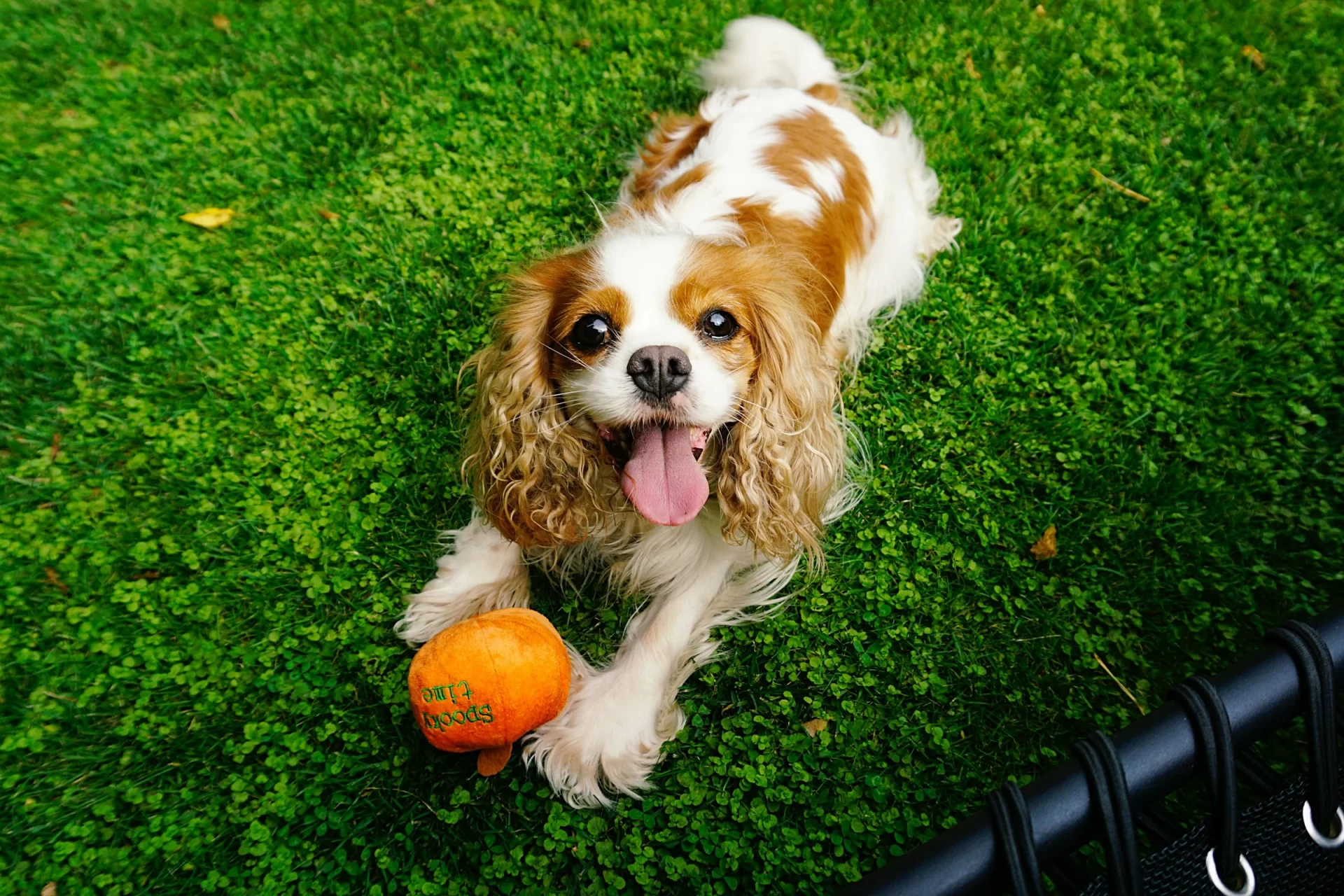
Before we dive into the alternatives, let’s talk about why we all lose our minds over Cavaliers in the first place. These little guys hit the sweet spot in so many ways:
They’re the perfect size – not too big, not too small. Around 13-18 pounds means they can curl up on your lap without cutting off circulation, but they won’t get stepped on accidentally either.
Their temperament is just… chef’s kiss. Gentle with kids, friendly with strangers, and gets along with other pets. It’s like they were designed in a lab specifically to be the perfect family dog.
And can we talk about those coats? Silky, soft, and they come in the most gorgeous colors. The Blenheim (chestnut and white) is probably what most people picture, but there’s also tricolor, black and tan, and ruby.
Plus, they’re not high-maintenance exercise-wise. A couple of walks and some playtime? They’re golden.
The Real Talk About Similar Breeds
Here’s what I’ve learned after years of working with different dog breeds: there’s no such thing as a perfect substitute. Every breed has its own quirks, pros, and cons. But if you loved Cavaliers for specific reasons, these breeds might just surprise you.
English Cocker Spaniel – The Bigger, Sportier Cousin
If the Cavaliers are the gentle aristocrats, the English Cockers are their sporty siblings who went to college on an athletic scholarship. They’re bigger-think 26-34 pounds – but they’ve got that same sweet, eager-to-please personality.
I’ve known several English Cockers over the years, and honestly? They might be even more affectionate than Cavaliers. One client’s Cocker, Ruby, would literally try to climb into my lap during training sessions. All 30 pounds of her.
The catch? They need a bit more exercise, and their coats require more maintenance. But if you can handle that, you get a dog that’s got all the Cavalier charm with a little more athleticism thrown in.
Havanese – The Cuban Charmer
Now here’s a breed that doesn’t get nearly enough credit. Havanese dogs are like little clouds of personality wrapped in silk. They’re smaller than Cavaliers (7-13 pounds), but what they lack in size, they make up for in character.
These dogs are comedians. I’m serious. I once watched a Havanese named Mango perform what I can only describe as a stand-up routine for a room full of kids. Rolling over, playing dead, then popping up with this expression like “Ta-da!”
The bonus? Their coats are hypoallergenic, so if allergies have been keeping you from getting a dog, this might be your answer. Just be prepared for regular grooming appointments.
King Charles Spaniel – Wait, Isn’t That The Same Thing?
Plot twist: it’s not! The King Charles Spaniel (also called English Toy Spaniel) is actually a different breed. They’re the ones with the flatter faces and slightly more compact bodies.
These guys are like the Cavaliers’ more introverted cousins. They’ve got the same gentle nature, but they’re a bit more content to just hang out and observe the world. If you want a Cavalier but slightly less social butterfly energy, this might be perfect.
Just a heads up, though, the flat face can lead to breathing issues, especially in hot weather.
Papillon – Don’t Let The Ears Fool You
Those butterfly ears make Papillons look completely different from Cavaliers, but personality-wise? They’re surprisingly similar. Both breeds are gentle, intelligent, and absolutely devoted to their families.
Papillons are tiny (5-10 pounds), but they don’t seem to know it. They’ve got this confidence that’s endearing rather than annoying. Plus, they typically live longer than most breeds – we’re talking 14-16 years on average.
The main difference is energy level. Papillons are a bit more “let’s go, let’s go, let’s go!” while Cavaliers are more “okay, if you insist, but can we nap after?”
Maltese – The White Cloud of Love
If you’ve ever seen a well-groomed Maltese trotting down the street, you know they look like they’re floating. That white, silky coat is absolutely gorgeous, and underneath all that fluff is a personality that’s surprisingly similar to a Cavalier’s.
Maltese dogs are gentle, affectionate, and great with kids (though their small size – 4-7 pounds – means you need to supervise around very little ones). They’re also hypoallergenic, which is a huge plus for many families.
Speaking of small white dogs that might catch your eye, you should definitely check out our guide on dogs that look like Maltese for even more options.
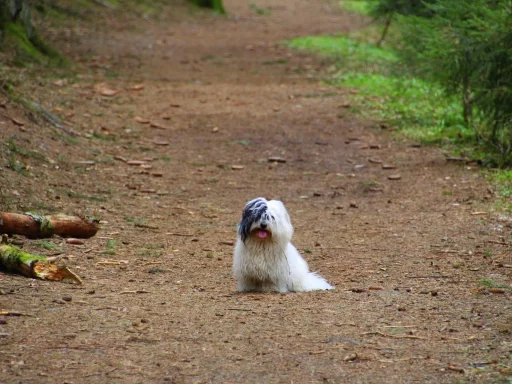
Coton de Tulear – The Happy Little Cotton Ball
I have a soft spot for Cotons. They’re like if you took a Cavalier’s personality and wrapped it in cotton candy. These Madagascar natives are perpetually cheerful, gentle with kids, and they have this amazing ability to read the room.
One Coton I worked with, Biscuit, would automatically go into “therapy dog mode” whenever someone in the family was having a rough day. No training – it was just instinct.
At 8-15 pounds, they’re slightly smaller than Cavaliers, and their coats are hypoallergenic. The downside? Finding a good breeder can be tough since they’re not as common as other breeds.
Japanese Chin – The Aristocratic Lap Dog
Japanese Chins have this regal bearing that’s really appealing. They’re like the introverted intellectual of the small dog world. While Cavaliers are the golden retrievers of toy breeds (friendly with everyone), Chins are more selective with their affections.
They’re perfect for quieter households or people who want a more cat-like dog. Yes, you read that right – Chins have some very feline qualities. They’re more independent, they like to perch on high furniture, and they’re not as needy for constant attention.
Size-wise, they’re 7-11 pounds, so definitely on the smaller side. And if you’re in an apartment, you might want to read our best inside dogs for apartments guide.
The Bigger Options (If You Want More Dog)
Brittany – The Outdoorsy Cavalier
Brittanys are what you’d get if a Cavalier decided to become a personal trainer. They’ve got that same sweet, gentle nature, but in a 30-40 pound package with more energy.
I always recommend Brittanys to families who love the Cavalier temperament but want a dog that can keep up on hiking trails or long bike rides. They’re still great with kids, still eager to please, just… more.
Sussex Spaniel – The Rare Golden Beauty
Sussex Spaniels are like the unicorns of the dog world – gorgeous, wonderful, and almost impossible to find. They’re larger than Cavaliers (35-45 pounds) but have this amazing golden coat and the most laid-back personality.
If you can find one, they’re incredible family dogs. But fair warning: you’ll probably end up on a waiting list for years.
Let’s Talk About The Not-So-Similar (But Worth Mentioning)
Norfolk Terrier – Terrier Energy, Spaniel Heart
Okay, so Norfolk Terriers are technically terriers, which means they’ve got that typical terrier independence and stubbornness. But they’re also surprisingly gentle and good with families.
At 11-12 pounds, they’re Cavalier-sized, and their wiry coats are actually easier to maintain than you’d think. The personality is a bit different, more “I love you, but I also have my own agenda”, but many Cavalier lovers find they really enjoy the slight attitude adjustment.
If you’re curious about working breeds with different temperaments altogether, our dog breeds similar to Border Collies guide covers some fascinating high-energy options.
What About Colors?
One thing people don’t always consider is color preference. Cavaliers come in those classic color combinations, but what if you’re drawn to different markings?
Some of these breeds offer gorgeous black and tan combinations that might appeal to you. If that sounds interesting, definitely check out our guide on beautiful black and tan dog breeds for more inspiration.
The Reality Check Section
Here’s the thing nobody wants to talk about: every breed has issues. Cavaliers are prone to heart problems, especially mitral valve disease. Some of the breeds I’ve mentioned have their own concerns:
- Flat-faced breeds (King Charles Spaniels, Pekingese) can have breathing issues
- Very small breeds (Maltese, Papillons) can be fragile
- Cocker Spaniels can develop ear infections more easily
- Some breeds are just harder to find
I’m not trying to scare you off, just being realistic. Any dog is a 10+ year commitment, so it’s worth knowing what you’re getting into.
My Personal Take (After Years of Working With These Breeds)
If I had to pick just three alternatives to Cavaliers, based on temperament and overall family-friendliness, I’d go with:
Havanese – if you want the personality in a smaller, hypoallergenic package, English Cocker Spaniel – if you want a similar temperament but can handle a bit more size and energy
Coton de Tulear – if you can find one and want something truly special
But honestly? The best dog for you might not even be on this list. It depends on your lifestyle, your living situation, and what specifically drew you to the Cavaliers in the first place.
Where Do You Even Find These Dogs?
Good question. Some of these breeds are pretty common (you’ll find Maltese and Papillons in most areas), while others are rare enough that you might need to travel or wait on lists for years.
My advice? Start with breed clubs. Most have breeder directories and can put you in touch with reputable people. Avoid puppy mills like the plague – these sweet-natured breeds are unfortunately popular in mills, and you’ll end up with health and behavioral issues that’ll break your heart.
Also consider breed-specific rescues. You’d be amazed at how many purebreds end up needing new homes.
The Bottom Line
Look, I could write another 5,000 words about coat textures and exercise requirements and grooming schedules. But here’s what really matters: all of these breeds can give you that special something that draws people to Cavaliers in the first place.
That gentle, loving nature. That desire to be close to their people. That easy-going attitude makes them perfect family dogs.
The trick is figuring out which variation of those qualities works best for your life. Smaller? Bigger? More energy? Less grooming? Hypoallergenic coat?
Take your time. Visit some dog shows. Talk to breeders. Meet some dogs in person. The right match is out there – it might just look a little different than you originally imagined.
And who knows? You might end up with a breed you’d never heard of before that turns out to be absolutely perfect for your family. Sometimes the best things come from keeping an open mind.