
Contents
Dogs that look like Maltese include the Bichon Frise, Coton de Tulear, Havanese, Bolognese, and several other charming breeds. If you’ve fallen in love with the Maltese’s signature white coat and small size but want to explore similar options, you’re in for a treat.
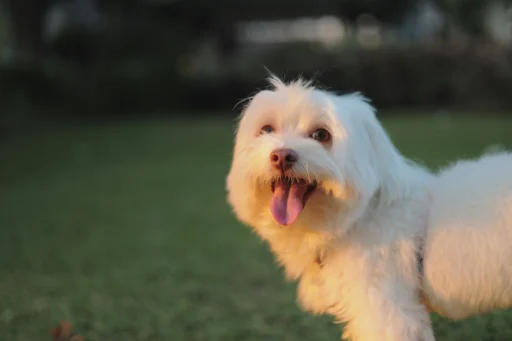
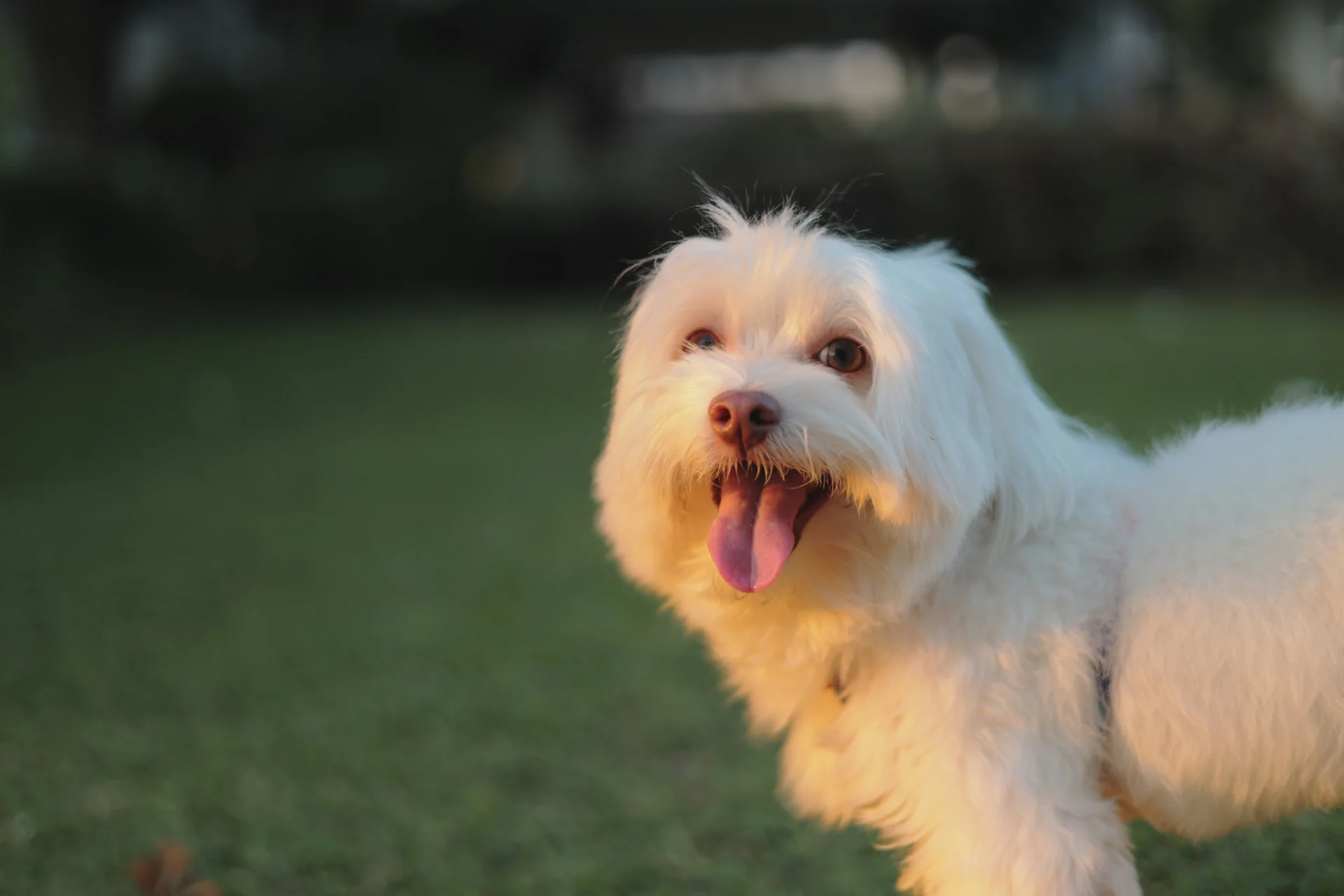
Ever spotted a fluffy white dog at the park and assumed it was a Maltese, only to find out it’s actually a completely different breed? It happens more often than you’d think. The Maltese has such a distinctive look with that silky white coat and dark, expressive eyes, but they’re not the only small white dog that turns heads.
People love the Maltese aesthetic, but they want to know what other options are out there. Maybe they need a dog that’s slightly bigger or one with a different personality. The good news? There are several breeds that share that elegant, fluffy white dog vibe.
Quick Overview
- The Bichon Frise, Coton de Tulear, and Havanese are the closest Maltese lookalikes
- These breeds range from 4 pounds all the way up to 25 pounds
- Despite looking similar, their personalities can be wildly different
- Grooming needs vary more than you’d think
- Your lifestyle should drive your choice more than looks alone
Why Are There So Many White Fluffy Lookalikes?
Ever wonder why there are so many small white dogs that look similar? It’s not a coincidence. Many of these breeds actually share ancestry or were developed in overlapping regions: the Mediterranean, parts of Europe, and even Madagascar in some cases.
Here’s the interesting part: these dogs were specifically bred to be companions for wealthy families. The white coat was intentional. Back in the day, keeping a white dog clean and well-groomed required serious resources, professional groomers, quality products, and constant maintenance. Owning a pristine white dog was essentially showing off your wealth. It’s like the historical equivalent of driving a luxury car that needs constant detailing.
The Lookalikes (And How They’re Different)
1. Bichon Frise — Probably the Most Confusing One
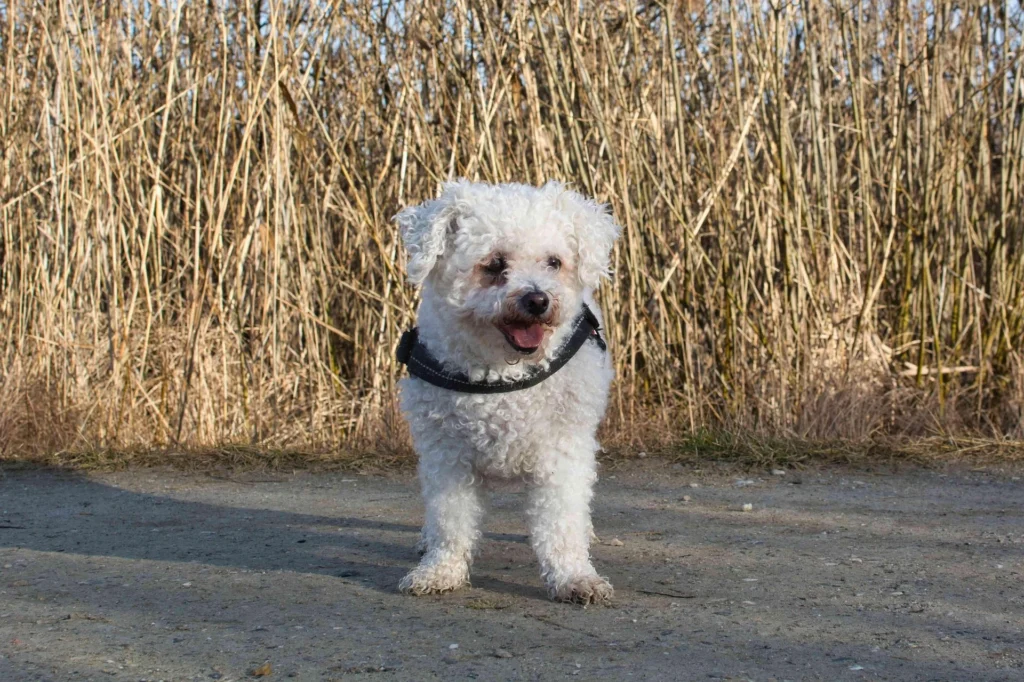
The Bichon Frise is likely the breed most commonly mistaken for Maltese. Both have gorgeous white coats, but here’s the key difference: Bichons have curly hair that gives them that signature powder-puff look. The Maltese? Straight and silky. That’s your biggest tell.
Bichons are also chunkier, typically 12 to 18 pounds versus the Maltese’s dainty 4 to 7 pounds.
Personality and temperament:
- Bichons bring more energy and playfulness
- They’re generally more robust and can handle active households better
- Both are affectionate, but Bichons tend to be more outgoing
- Grooming is intensive for both, just in different ways
If you’ve got active kids or want a slightly sturdier companion with that white dog look, Bichons are worth considering. They’re also a wonderful entry point if you’re interested in small curly-haired dogs.
2. Coton de Tulear — Madagascar’s Hidden Gem
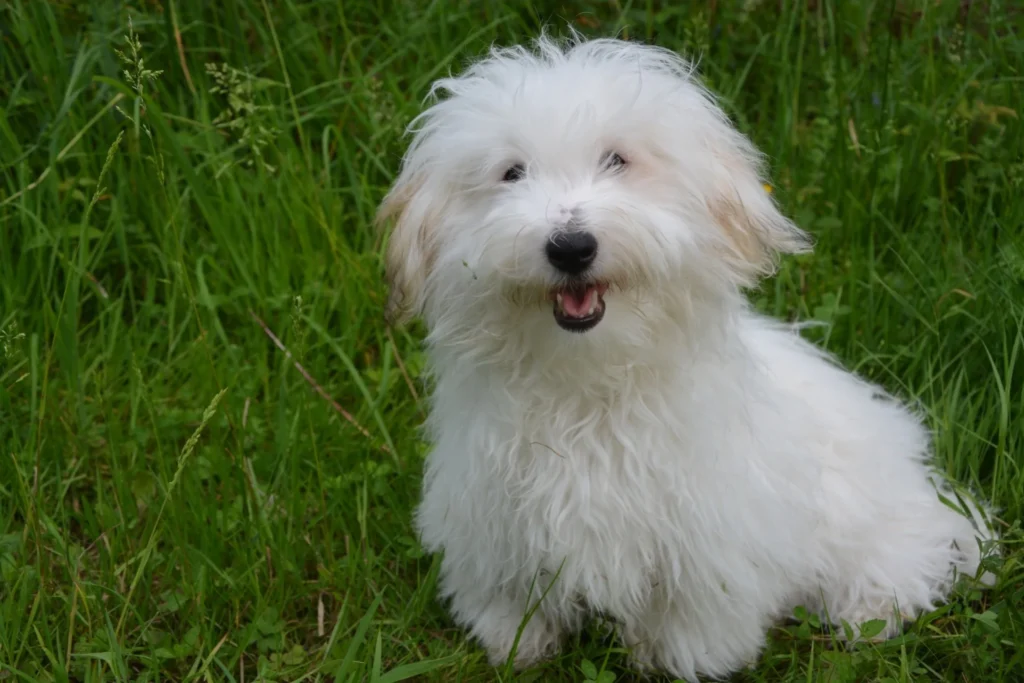
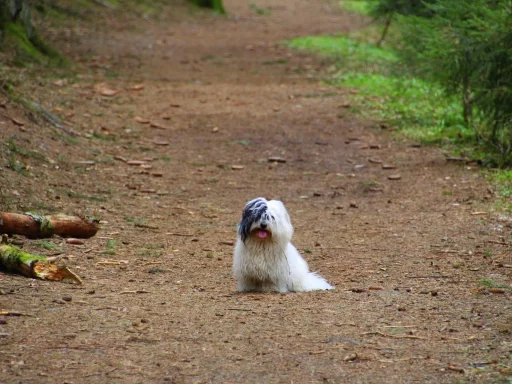
The Coton de Tulear makes people do a double-take. At first glance, they could pass for a Maltese. But look closer and you’ll notice the rounder faces and longer body proportions.
These dogs are named after their cotton-like coat (yes, “coton” is French for cotton), and they have this incredible history from Madagascar, where nobles kept them as prized companions.
What sets them apart:
- Heavier build at 8 to 15 pounds
- Cotton-textured coat versus silk
- Known for their clownish behavior and the famous “Coton jump”
- Generally more adaptable to different living situations
What makes Cotons particularly appealing is they’re typically calmer than Maltese. They’re less prone to anxious behaviors that some small breeds can develop. This makes them a solid choice for first-time small dog owners who want that white dog aesthetic without the high-strung temperament. You can learn more about the Coton de Tulear, similar dog breeds, and their Mediterranean cousins.
3. Havanese — The Social Butterfly
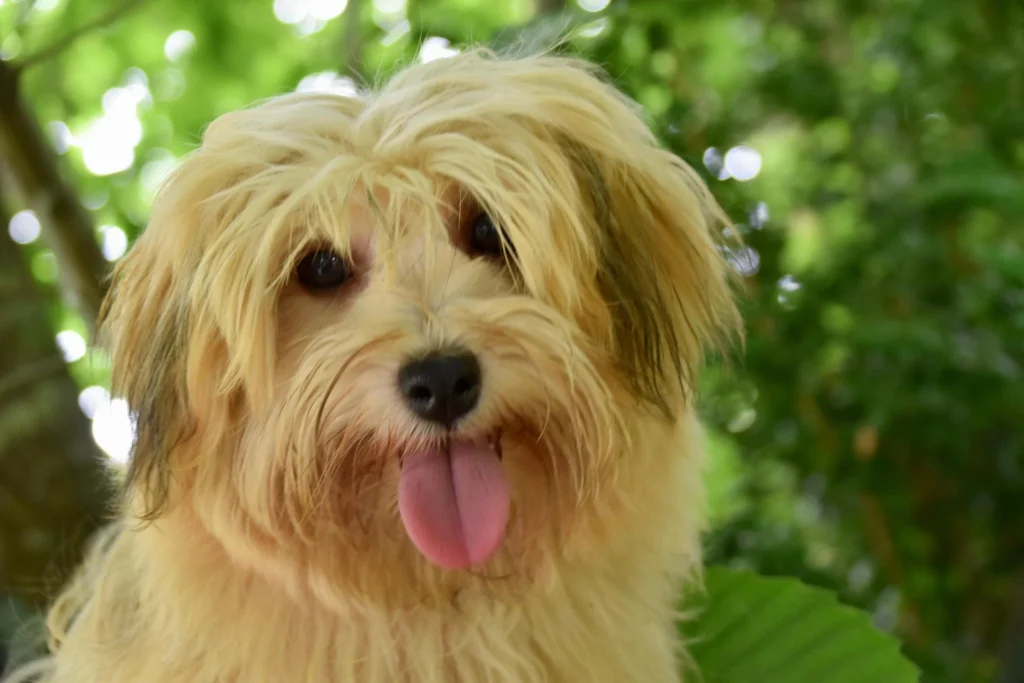
Havanese come in multiple colors—brown, black, and even parti-color. However, have you ever seen a white Havanese? They get mistaken for Maltese regularly.
As Cuba’s only native breed, these dogs were specifically bred to be perfect companions for the Cuban aristocracy. They’re known for being exceptionally social and friendly.
Key differences:
- Slightly larger and sturdier at 7 to 13 pounds
- Their tail curls distinctively over their back
- Extremely outgoing—they typically love everyone
- Better at handling alone time compared to Maltese
For people concerned about separation anxiety issues common in toy breeds, the Havanese often handles solo time more gracefully. They still prefer company, but they’re generally less Velcro-like than Maltese.
4. Bolognese — The Underrated Italian
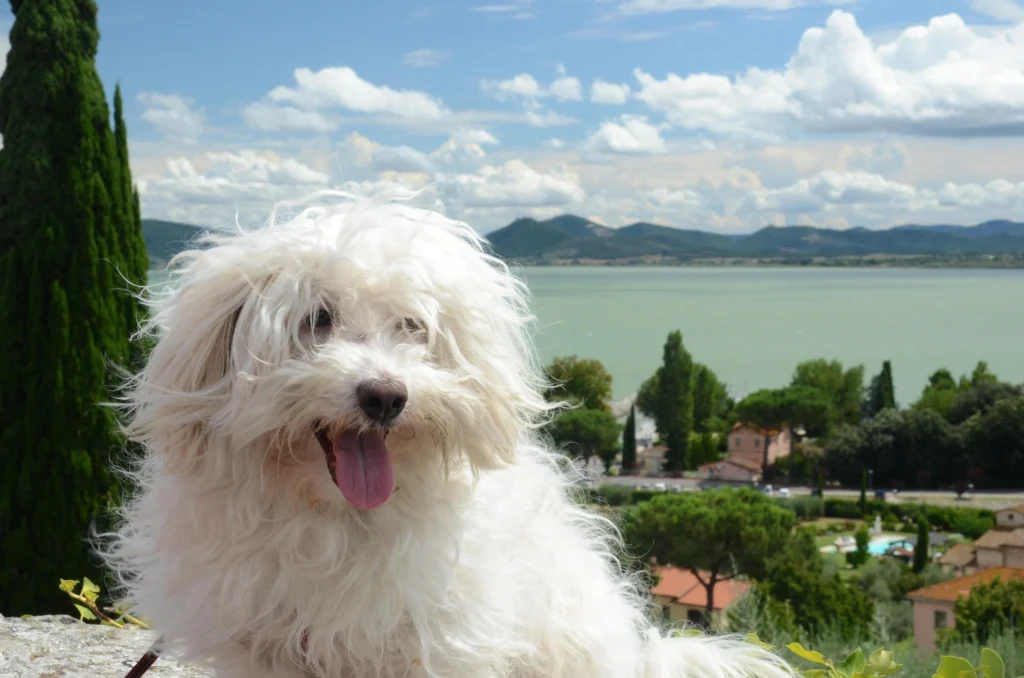
The Bolognese dog is relatively unknown, which is surprising given how wonderful they are. These dogs are from Bologna, Italy (not related to the pasta sauce), and they’re genuinely underrated.
Pure white with a fluffy, cottony coat, they resemble Maltese but are typically a bit bigger at 5.5 to 9 pounds.
Distinctive characteristics:
- More reserved and selective with affection
- Bond deeply with family, but be cautious with strangers.
- Less likely to bark excessively at passersby
- Coat maintenance is actually easier than expected
The Bolognese personality is more thoughtful and calm compared to the typical outgoing Maltese temperament. They’re ideal for quieter households or people who want a less reactive small dog.
5. Lowchen — The Rare One
Lowchens are unusual dogs. When groomed in the traditional “lion cut” (shaved hindquarters, full fluffy front), they’re unmistakable. But with a full coat, they can resemble Maltese from a distance.
They’re called “Little Lion Dogs,” and they’re genuinely one of the rarest breeds worldwide. Finding one requires serious searching.
What makes them unique:
- Slightly larger, at 10 to 18 pounds.
- Confident, outgoing personality
- Rich history dating back to Renaissance Europe
- Traditional lion-cut grooming style
Their rarity makes them difficult to find, but their fascinating history as favorites of Renaissance noblewomen makes them intriguing for breed enthusiasts.
6. Japanese Spitz — When You Want More Dog
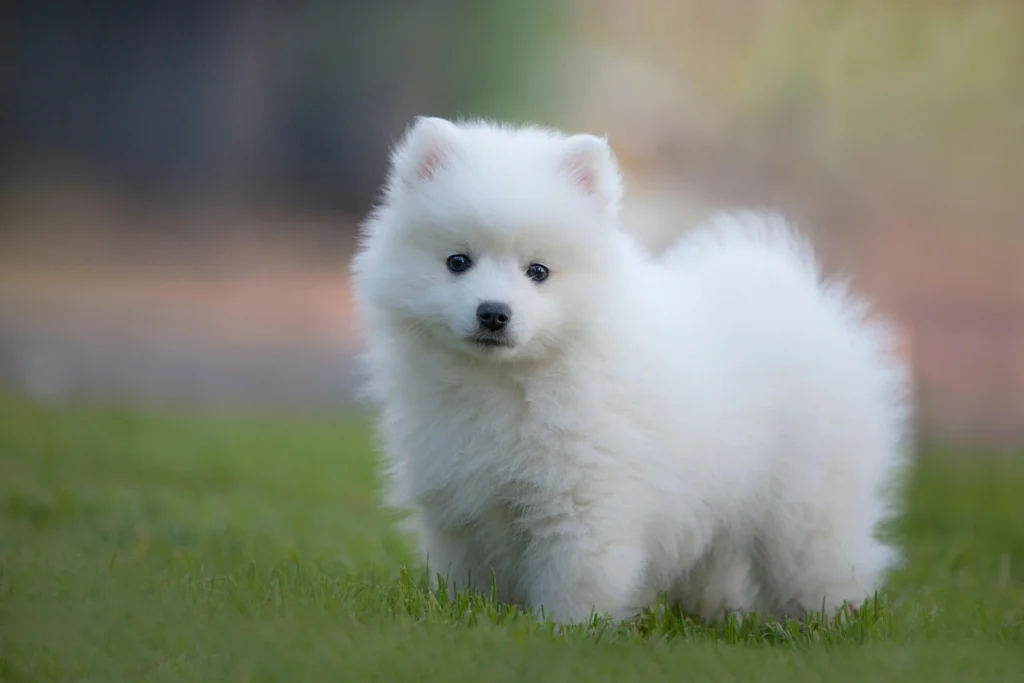
The Japanese Spitz is essentially an upsized version of the Maltese concept. These dogs can reach 25 pounds, though many are smaller.
They’re absolutely stunning with thick white coats that stand away from their bodies and fox-like faces with pointed ears.
Key characteristics:
- Significantly larger at 10 to 25 pounds
- Thick double coat with a different texture
- More reserved and dignified temperament
- Quieter than typical spitz breeds
If you love the white dog aesthetic but want more substance and presence, a Japanese Spitz delivers that while maintaining that elegant appearance.
7. West Highland White Terrier (Westie) — The Confident Alternative
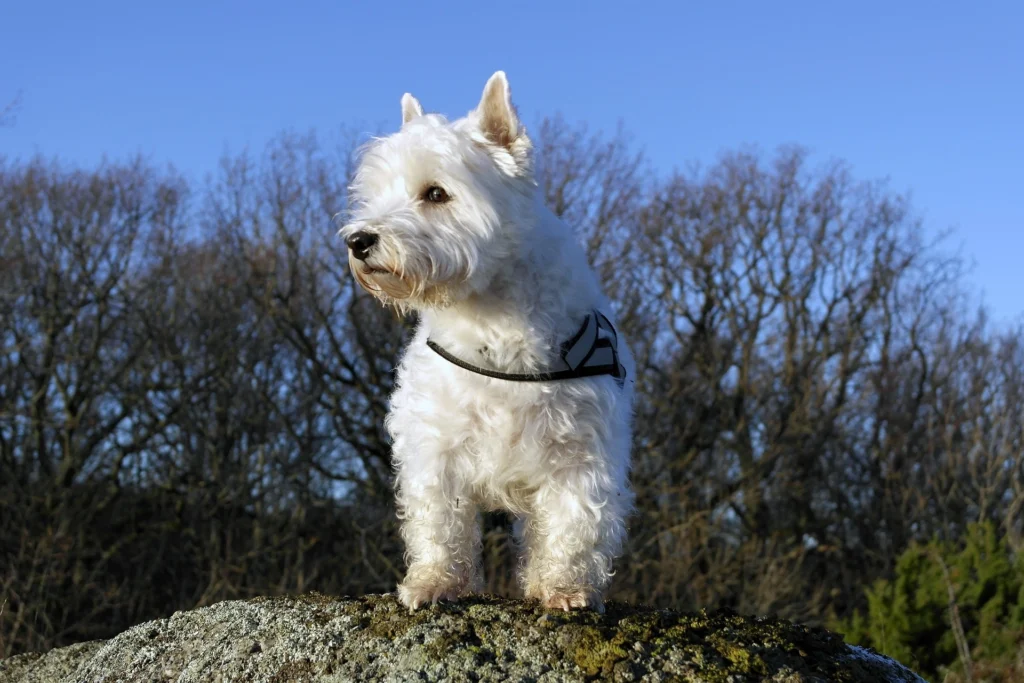
Westies get included here despite having entirely different personalities from Maltese. However, their white coat and small size sometimes lead to confusion with other breeds.
These are Scottish hunting dogs bred to chase vermin. They’re tough, independent, and energetic.
How they differ:
- Stocky, muscular build at 15 to 20 pounds
- Wiry coat texture (completely different from silky Maltese hair)
- Independent and stubborn temperament
- Higher prey drive and energy requirements
Westies aren’t really lapdogs. They’re more independent companions with strong personalities. If you want lower-maintenance grooming despite the white coat, check out small, white, short-haired dogs for alternatives to these fluffy breeds.
Don’t Sleep on Mixed Breeds
Here’s something worth considering: some excellent Maltese-looking dogs are actually mixes. Maltipoos (Maltese-Poodle), Maltese-Bichon crosses, and Maltese-Shih Tzu mixes often give you that exact look you’re after, sometimes with better genetic diversity.
Shelters and rescues often have amazing Maltese-type dogs available. You might find exactly what you’re looking for without the purebred price tag or breeding concerns.
How Do You Actually Choose?
Looks are appealing, but here’s what really matters when choosing between these breeds:
Consider a Maltese if you want:
- Truly tiny size (under 7 pounds)
- A devoted, people-focused companion
- That signature silky coat
- Lower exercise requirements
Consider a lookalike if you want:
- Something slightly bigger or sturdier
- Different personality traits (more playful, more independent, etc.)
- Varied grooming requirements
- A breed with a unique history or characteristics
Each of these breeds fits different lifestyles and preferences. For a broader comparison, our guide to the best small fluffy dog breeds covers even more options.
Let’s Talk About That White Coat
Here’s the reality check: white dogs are stunning, but they require serious maintenance to stay that way.
Everything shows on white coats. Mud, grass stains, tear stains around the eyes, and food stains around the mouth are all visible. Whether you choose a Maltese or any of these lookalikes, expect:
- Daily brushing for most breeds
- Professional grooming every 4-8 weeks
- Regular eye cleaning to manage tear stains
- More frequent bathing than darker-coated dogs
It’s a significant time and financial commitment. Make sure you’re ready for that level of maintenance before choosing a white-coated breed.
Final Thoughts
Choosing a dog based solely on appearance is tempting, but it’s not the best approach. These breeds might look similar, but their temperaments, exercise needs, and care requirements can be dramatically different.
The Maltese might be perfect for someone wanting a devoted lapdog, while that same person could be overwhelmed by an independent, energetic Westie. Conversely, someone might find the Maltese too dependent and prefer a more confident Lowchen or playful Coton.
Research beyond the coat. Look into temperament, exercise requirements, common health issues, and realistic grooming demands. If possible, meet these breeds in person at dog shows, through breed clubs, or at breed-specific rescues. Seeing how breeds actually behave is invaluable.
Whether you choose a Maltese or one of these alternatives, you’re committing to a companion who’ll require time, effort, and resources, especially in the grooming department.
If you specifically want fluffy puppies that stay small, most of these breeds fit perfectly. They maintain their compact size throughout their lives, making them suitable for apartments and people wanting portable companions.
Have questions about which breed might work best for your lifestyle? Drop a comment below; I’m here to help you think through the options. The more information you can share about your living situation, experience level, and what you’re looking for in a dog, the better recommendations I can provide.