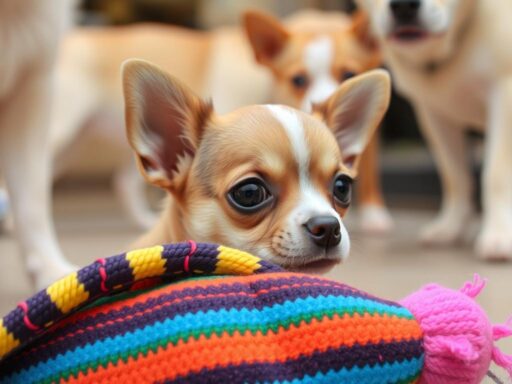
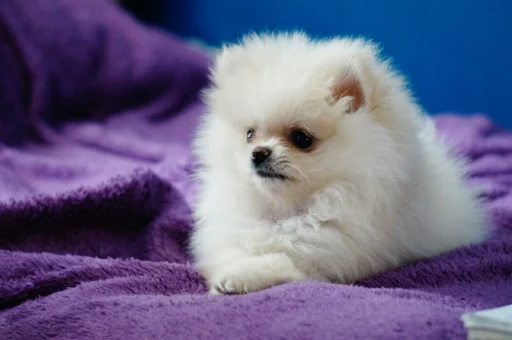
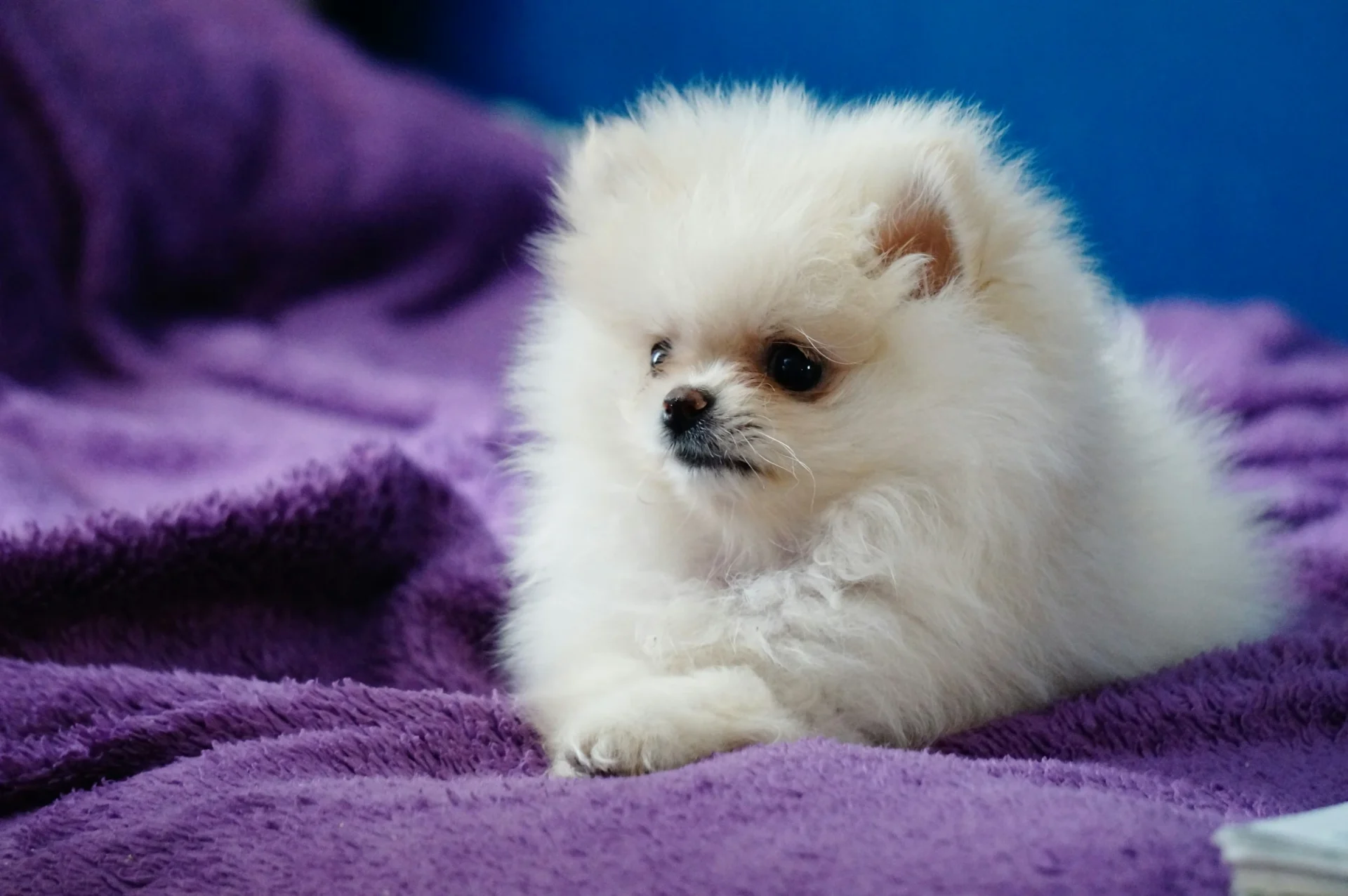

Picture this: You’re scrolling through Instagram, and suddenly, bam! a fluffy cloud with eyes stops you mid-scroll. It’s a Pomeranian (or maybe a Maltese?), and you’re instantly smitten. You think, “I need one of these adorable fluff balls in my life.” But here’s the thing: Choosing a fluffy puppy that stays small isn’t just about picking the cutest face. Trust me, there’s so much more to consider.
Key Takeaways
- Small fluffy breeds typically weigh 3-18 lbs and live 12-18 years, making them long-term commitments
- Daily grooming is non-negotiable for most fluffy breeds—expect to spend 15-30 minutes brushing plus professional grooming every 4-6 weeks
- Not all fluffy dogs are hypoallergenic—only specific breeds like Poodles, Maltese, Bichon Frise, and Havanese are truly low-allergen
- Small doesn’t mean low-energy—many small fluffy breeds need 30-60 minutes of daily exercise and substantial mental stimulation
Why everyone falling for fluffy puppies that stay small
Look, I get it. There’s something irresistible about a dog you can scoop up in your arms, one that looks like they just walked out of a Disney movie. But the appeal goes way beyond aesthetics.
The 2025 data shows Yorkshire Terriers ranking #11 in AKC popularity, Cavalier King Charles Spaniels at #13, and Toy Poodles holding strong at #5. These aren’t just passing fads; they’re breeds that have proven themselves as incredible companions for modern lifestyles.
But here’s what I want you to understand: the best small fluffy dog breeds aren’t necessarily the most popular ones. They’re the ones that match your lifestyle, your energy level, and your commitment capacity. And that’s precisely what we’re going to figure out together.
Meet the magnificent small fluffy breeds (your complete roster)
Now, you might be thinking, “Just show me the dogs already!” Fair enough. Let’s dive into the most popular fluffy puppies that stay small, and I’ll give you the real scoop on each one.
The ultra-tiny cloud puffs (3-10 lbs)
Pomeranian: The pocket-sized lion
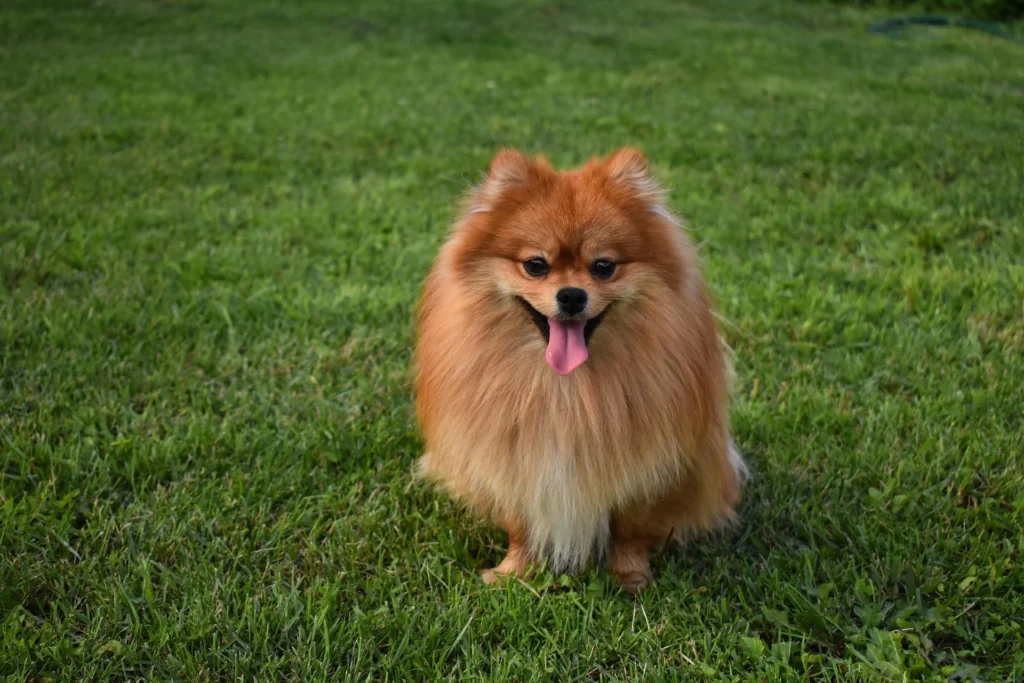
Honestly, Pomeranians are one of the most misunderstood breeds out there. People see that fluffy orange cloud bouncing around and think “lap dog.” Wrong. These little guys descended from 30-pound sled dogs, and they’ve never forgotten their heritage.
Weighing just 3-7 pounds, Poms pack more personality per ounce than almost any breed I’ve researched.
Their fluffy double coat comes in many color varieties (not just orange!), and that magnificent “lion’s mane” ruff around their neck needs daily brushing. Skip it for a few days, and you’re looking at painful mats. The grooming commitment is real; with Poms, daily brushing isn’t a suggestion; it’s a requirement.
Temperament-wise? They’re extroverted, intelligent, alert, and incredibly vocal. If you work from home and take a lot of Zoom calls, you’ll need to invest serious time in bark training. But on the flip side, they’re fiercely loyal, surprisingly trainable, and absolute entertainers. They live to be the center of attention.
Maltese: The Elegant Cloud
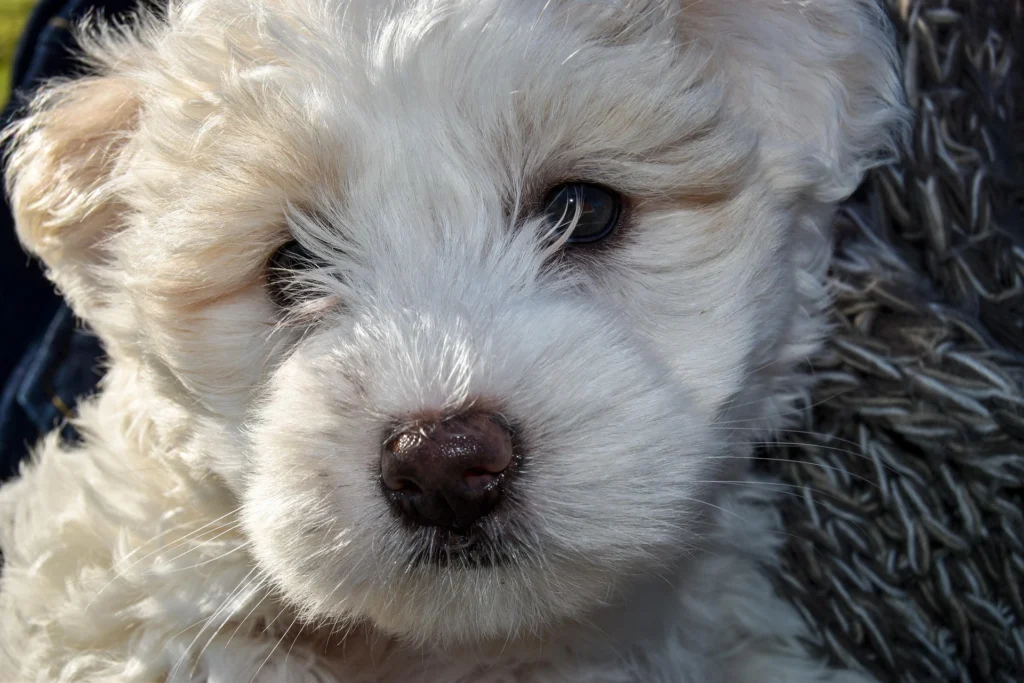
At 4-7 pounds with silky, floor-length white coats, Maltese look high-maintenance—and they are. But here’s what surprised me: their temperament is remarkably gentle and adaptable. They’re people-pleasers through and through, which makes training easier than you’d expect. Well, except for house-training.
The best part? They’re genuinely hypoallergenic. Single coat, minimal shedding, perfect for allergy sufferers. But (and this is a big but), that beautiful white coat shows every speck of dirt and requires daily brushing to prevent tangles. Many owners keep them in shorter “puppy cuts” to reduce maintenance, which honestly makes them even cuter.
Yorkshire Terrier: The Confident Companion

Yorkies ranked #11 in 2024’s most popular breeds, and I see why. They’re portable, elegant, hypoallergenic, and full of spunk. But here’s the reality check: they’re stubborn. Smart as a whip but with a mind of their own. Training requires consistency and patience. And yes, they bark. A lot. Without proper training, you’ll have a tiny dog with a very shrill alarm system.
The coat maintenance is significant daily brushing for long coats and professional grooming every 6-8 weeks, and many owners opt for shorter cuts to stay sane.
Papillon: The brainy butterfly
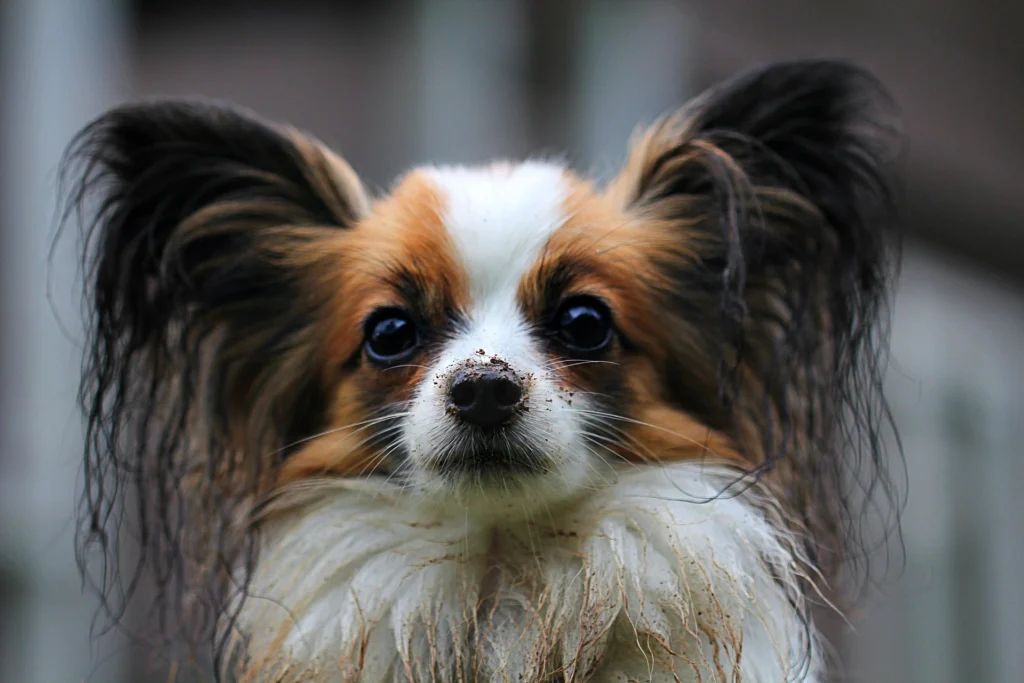
Here’s a breed that surprises everyone. Those distinctive butterfly ears aren’t just adorable; they’re attached to one of the most intelligent small breeds. Papillons rank 8th in Stanley Coren’s intelligence rankings, right up there with breeds like Border Collies and Poodles.
At 5-10 pounds, Papillons are athletic, energetic, and need way more exercise than most people expect. We’re talking 40-60 minutes daily. They excel at agility, tracking, and obedience competitions. These aren’t couch potatoes.
The good news? Their long, flowing coat is actually easier to maintain than it looks. It’s a single layer without a dense undercoat, so while they need regular brushing, they’re less prone to matting than double-coated breeds. They’re also minimal shedders.
Temperament-wise, they’re friendly, outgoing, and devoted. But they can be reserved with strangers without early socialization. And honestly, I’ve got to mention this: they’re sensitive to cold. That gorgeous coat doesn’t provide as much insulation as you’d think.
Toy Poodle: The Brilliant Little Athlete
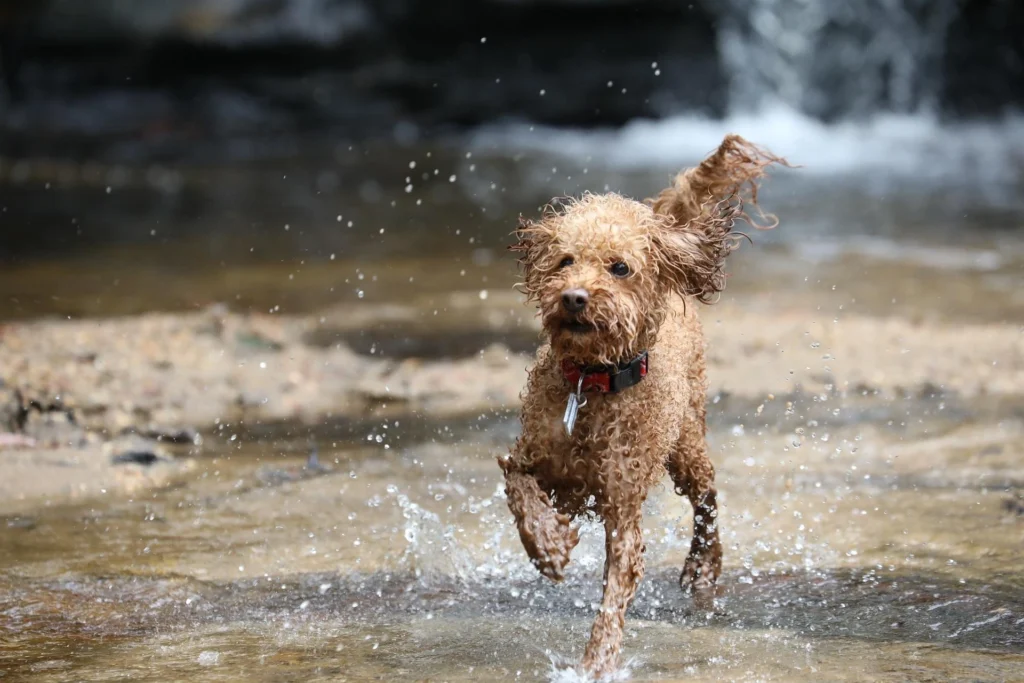
If you want brains in a small, fluffy package, Toy Poodles are hard to beat. Ranked #2 in canine intelligence, these 4-6 pound geniuses master commands in about five repetitions. Five. That’s remarkable.
But here’s what nobody tells you: smart dogs can be challenging dogs. They need constant mental stimulation. Puzzle toys, training sessions, and new tricks—without these, they get bored and destructive. It’s like having a gifted toddler; you need to keep their minds engaged.
The curly, hypoallergenic coat is perfect for allergy sufferers and doesn’t shed, but it grows continuously and requires professional grooming every 6-8 weeks. The upside? You can choose from various adorable cuts, puppy clips, teddy bear trims, or traditional Poodle styles.
Energy-wise, they’re surprisingly active despite their tiny size. Don’t underestimate their exercise needs. But if you’re looking for a trainable, intelligent, hypoallergenic companion who’ll follow you everywhere, Toy Poodles are exceptional.
The small but mighty fluff balls (10-18 lbs)
Shih Tzu: The laid-back companion

Now we’re getting into slightly bigger territory, though “bigger” is relative. Shih Tzus top out at 9-16 pounds. What I love about researching the Shih Tzu breed standard literally emphasizes “outgoing, happy, affectionate, friendly, and trusting towards all” as essential traits. That’s their personality in a nutshell.
Here’s the catch: that gorgeous, floor-length double coat requires daily maintenance. Skip a few days, and you’re dealing with painful mats.
But temperament-wise, they’re fantastic family dogs. Patient with kids, friendly with other pets, and adaptable to various living situations. They’re less yappy than many toy breeds, easier-going, and genuinely happy just being near their people. If you want a fluffy companion without the high-strung energy, Shih Tzus are worth considering.
Bichon Frise: The Joyful Companion
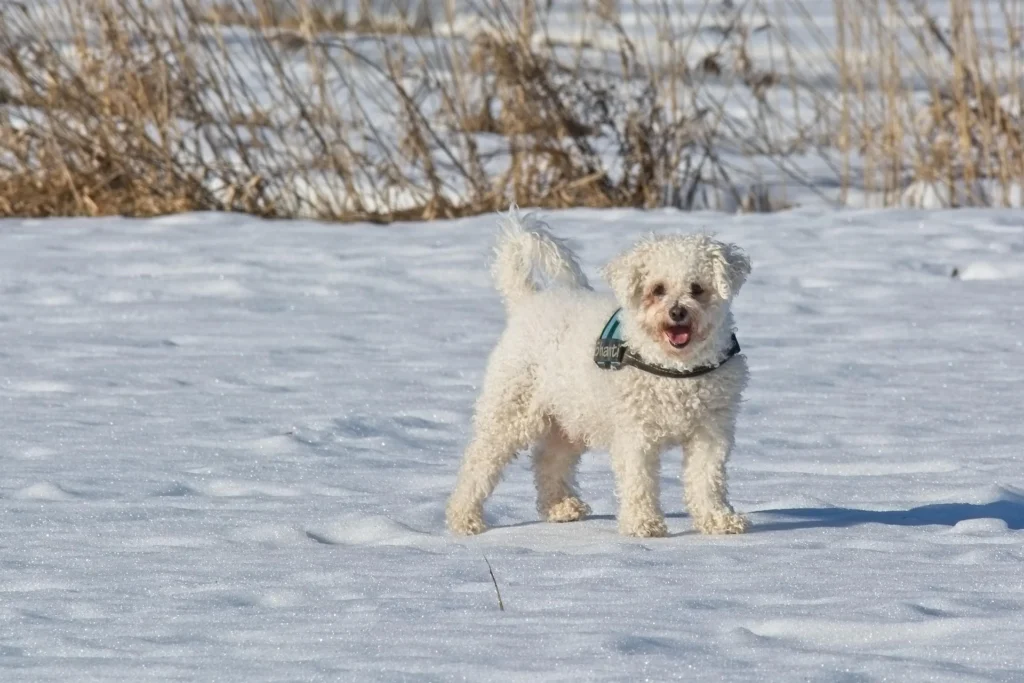
I’ve got to be honest, Bichon Frises always make me smile. That white, curly, powder-puff appearance, combined with their naturally happy disposition, is difficult to resist. At 12-18 pounds, they’re sturdy enough for family life while still being apartment-friendly.
They’re naturally cheerful, playful, and gentle-mannered. The breed was literally used as circus dogs historically, and that entertaining personality shines through. They love attention and thrive on being part of family activities.
The hypoallergenic, low-shedding coat is a huge plus for allergy sufferers. But here’s the reality: that curly coat mats easily and requires professional grooming every 4-6 weeks plus daily brushing at home.
Training-wise, they’re intelligent and eager to please, though house-training can be challenging. Some Bichons take months to fully housetrain, which requires patience. But if you’re prepared for the grooming commitment and want a friendly, social, cheerful companion, Bichons are excellent choices.
Havanese: The velcro dog
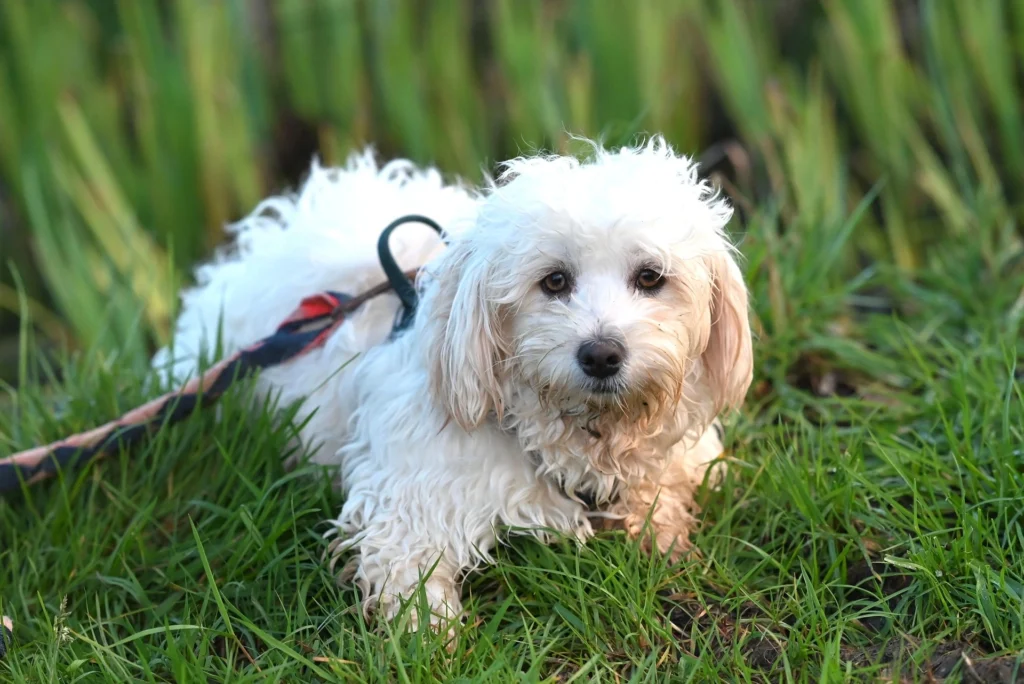
Here’s a breed that’s been gaining serious traction, and I completely understand why. If you want a shadow that happens to be fluffy, adorable, and weighs 7-13 pounds, meet your match.
Havanese are naturally outgoing, funny, and intelligent. They’re gentle with kids, social with other pets, and genuinely devoted to their families.
Their long, silky coat comes in a variety of colors and is hypoallergenic, with minimal shedding. Maintenance-wise, they need brushing 2-3 times weekly (or daily for show-length coats). Many owners keep them in shorter clips for easier maintenance.
Coton de Tulear: The hidden gem
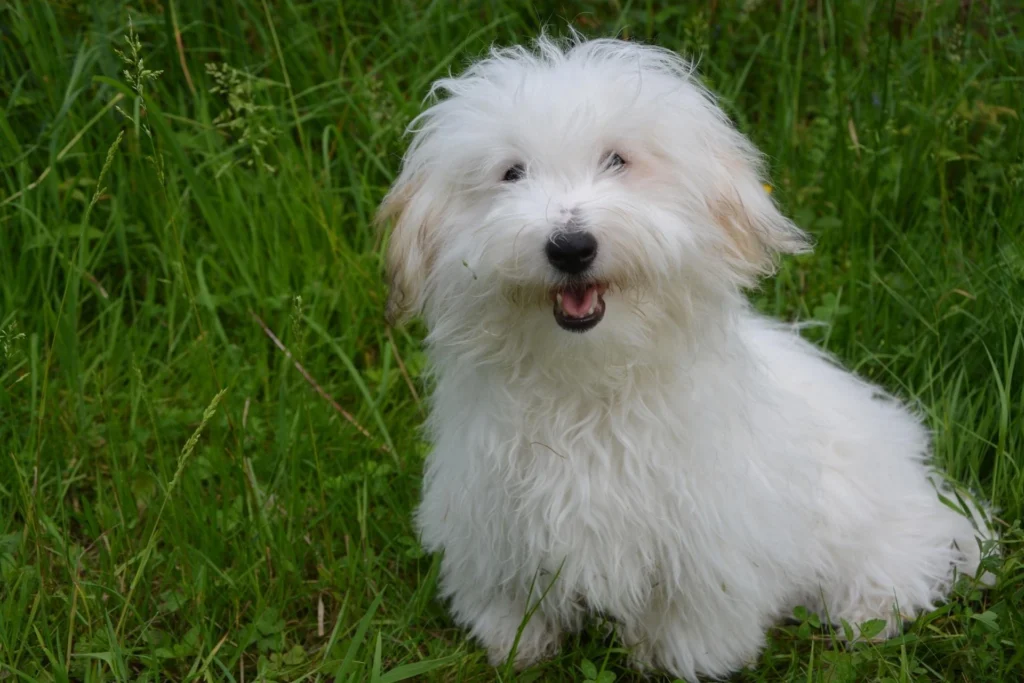
Okay, this breed is having a moment, and it’s about time. Coton de Tulears are like the insider secret of small, fluffy breeds. That cotton-like coat (hence the name “Coton”) is soft, white, fluffy, and hypoallergenic. At 8-15 pounds, they’re the perfect size for various living situations.
The cotton coat needs bathing every 1-2 weeks with brushing 2-3 times weekly to prevent matting. But here’s what I appreciate: they’re less stubborn than many small breeds, making training more straightforward. And like Havanese, they’re devoted companions, though they can be initially reserved with strangers.
Cavalier King Charles Spaniel: The perfect family dog
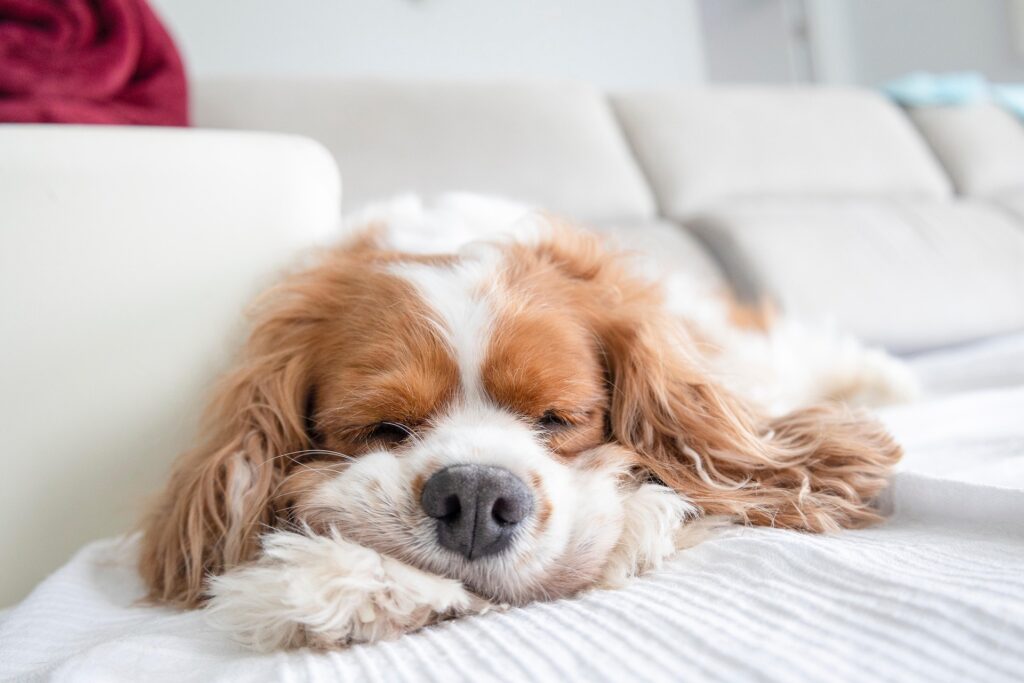
If I had to recommend one small fluffy breed for families, Cavaliers would be at the top of my list. Ranked #13 in 2024 popularity, these 13-18 pound sweethearts are consistently rated as one of the friendliest, most affectionate breeds.
Their long, silky coat with distinctive feathering on ears, chest, and legs comes in four gorgeous color patterns. They do shed moderately (they’re not hypoallergenic), but brushing 2-3 times weekly manages it well.
What makes the Cavaliers special is their temperament. They’re gentle, patient, affectionate, and excellent with children. They get along beautifully with other pets. They’re adaptable to various living situations. They’re not excessively barky. They’re trainable without being stubborn. Honestly, it’s hard to find major behavioral downsides.
But for families wanting a loving, gentle, beautiful companion who’ll bond with everyone, Cavaliers are exceptional.
The hypoallergenic question
Let’s clear something up: not all fluffy dogs are hypoallergenic. In fact, some are major shedders. Allergies are triggered by dander (dead skin cells), not fur length, so it’s about the coat type and shedding pattern.
Actually hypoallergenic (low-shedding):
- Toy Poodles
- Maltese
- Bichon Frises
- Havanese
- Coton de Tulears
Moderate to heavy shedders:
- Pomeranians (blow their coat twice yearly)
- American Eskimo Dogs
- Japanese Spitz
If allergies are a concern, stick with the truly hypoallergenic breeds. And even then, spend time with the breed before committing. Individual reactions vary.
Temperament truth: matching personality to lifestyle
On the flip side, let’s talk about what makes these breeds absolutely wonderful when properly matched to the right owners.
The myth that small means low-energy
Let me be blunt: many small fluffy dogs have MORE energy than large breeds. Papillons need 40-60 minutes of daily exercise. Toy Poodles are athletic powerhouses. Yorkshire Terriers are true terriers with endless enthusiasm.
If you’re imagining a lap dog who’s content with a quick potty break, you might be disappointed. Yes, they adapt to apartments beautifully, but they still need walks, play sessions, and mental stimulation.
Energy levels by breed:
- Highest: Papillons, Toy Poodles, Yorkies, Pomeranians
- Moderate: Havanese, Bichons, Coton de Tulears, Cavaliers
- Lower: Shih Tzus, Japanese Chins, Pekingese
Making your choice: questions to ask before adopting a dog
Alright, you’ve read about the breeds, understood the commitments, and you’re still interested. Perfect. Now let’s make sure you’re choosing the right fluffy companion for your specific situation.
Lifestyle assessment (be honest!)
Time commitment:
- Can you dedicate 15-30 minutes daily to grooming?
- Can you provide 30-60 minutes of exercise/play daily?
- Can you commit to training and socialization?
- Is someone home most of the day, or can you arrange midday care?
Living situation:
- Is your home/rental dog-friendly? (Check your lease!)
- Do you have space for crate, bed, toys, supplies?
- Can you handle shedding on furniture and clothes?
- Do you have secure outdoor access or are you committed to regular walks?
Long-term stability:
- Are you prepared for a 12-18 year commitment?
- Who will care for your dog during vacations or business trips?
For more guidance on important considerations, check out our comprehensive guide on questions to ask before adopting a dog to ensure you’re fully prepared.
Breed selection questions
Energy match:
- Do you want an active hiking buddy or a calm lap companion?
- Are you home often or away most days?
- Do you prefer a dog who follows you everywhere or one with some independence?
Grooming reality check:
- Can you commit to daily brushing, or would 2-3 times weekly be more realistic?
- Is professional grooming ($50-$100 every 4-6 weeks) manageable long-term?
- Do you have time to learn proper grooming techniques?
Family dynamics:
- Do you have young children? (Consider sturdier breeds like Havanese, Cavaliers, Bichons)
- Do you have other pets? (Most small fluffies socialize well when properly introduced)
- Does anyone have allergies? (Stick with truly hypoallergenic breeds)
Health preparedness:
- Are you comfortable with potential breed-specific health issues?
- Do you have a relationship with a trusted veterinarian?
- Will you commit to preventive care (dental cleaning, regular check-ups)?
Other fluffy options: considering different sizes
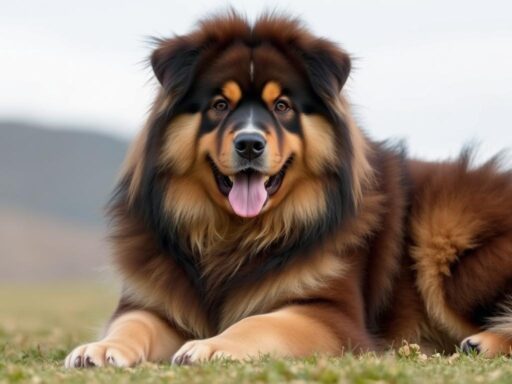
Now, I know we’ve focused on small breeds here, but I’d be remiss not to mention that fluffy doesn’t only come in petite packages. Some of you might realize during this research that you actually want something bigger.
If you’re drawn to fluff but want more dog, consider exploring the best big fluffy dog breeds like Samoyeds, Bernese Mountain Dogs, or Great Pyrenees. These gentle giants offer a cloudlike fluffiness with completely different energy levels and space requirements.
Similarly, if you’re specifically drawn to the Shih Tzu look, you might enjoy learning about dogs that look like Shih Tzus, including Lhasa Apsos, Pekingese, and various mixed breeds that share similar characteristics.
The point? Match the dog to your actual lifestyle, not just your aesthetic preferences.
Frequently asked questions about small fluffy breeds
Q: Can small fluffy dogs live in apartments?
Absolutely! Most small fluffy breeds are ideal for apartment living. Their size makes them naturally suited for smaller spaces, and they don’t need sprawling yards. However, and this is crucial, they still need daily walks and exercise. Don’t mistake “apartment-friendly” for “no exercise needed.”
Best for apartments: Cavaliers, Havanese, Maltese, Bichons, and Shih Tzus. These breeds tend to be less vocal and adapt beautifully to living in close quarters.
Q: Are small fluffy dogs good with kids?
It depends entirely on the breed and the children’s ages. Havanese, Cavaliers, Bichons, and Coton de Tulears are generally excellent with children; they’re patient, playful, and sturdy enough for gentle play.
Q: Do fluffy puppies stay fluffy as adults?
Yes! The breeds we’ve covered maintain their fluffy coats into adulthood. However, puppy coats are often softer and fluffier than adult coats. Many breeds go through a “coat change” around 10-14 months, where the texture becomes more coarse or silky, depending on the breed.
Also worth noting: neglected grooming can make any fluffy breed look matted and unkempt. That Instagram-worthy fluff requires consistent maintenance.
Your next steps toward fluffy companionship
If you’ve made it this far and you’re still excited (and feeling realistic about the commitment), here’s what to do next:
1. Narrow your breed choices. Based on everything we’ve covered, identify 2-3 breeds that genuinely match your lifestyle, not just your aesthetic preferences.
2. Meet the breeds in person. Find local breed clubs, visit dog shows, or connect with breeders who allow visits. Spend time with adult dogs, not just puppies. Understand the full-grown reality.
3. Research reputable breeders or rescues. Start with national breed club websites for breeder referrals.
4. Prepare your home and budget. Puppy-proof your space, gather supplies, establish a veterinary relationship, and ensure your finances can handle the commitment.
5. Ask questions relentlessly. Good breeders and rescues want you to ask questions. They appreciate informed, prepared adopters. Ask about health testing, temperament, return policies, and ongoing support.
And remember, I’m here to help through every step of this journey at Dogs Lovers Blog. Whether you’re comparing breeds, evaluating breeders, or troubleshooting training challenges, we’re building a community of informed, devoted dog lovers.
Because at the end of the day, bringing a fluffy puppy that stays small into your life is one of the most rewarding decisions you can make when it’s the right fit. Do your homework, prepare thoroughly, and you’ll be rewarded with years of joy, laughter, and the softest cuddles imaginable.
Ready to take the next step? Browse our other breed guides, join our community discussions, and share your own fluffy dog journey with us. We’re here to support you every step of the way, from research to that magical day when you bring your new companion home.
Welcome to the wonderful world of small fluffy dogs. Trust me, the grooming bills are worth every penny.